Stop wasting money on facial massage tools that don't work. Learn which ones actually deliver results, how to use them correctly, and why your technique matters more than the tool.
Your bathroom counter has a jade roller, a gua sha stone, a set of facial cups and the vibrating thing you bought at 3am. Between them they promised drainage and sculpted cheekbones. Six months on, your face looks the same.
Facial massage does do something. Most tools are just sold on things it can't do, and the tutorials rarely say so.
Here's the realistic split: gua sha for muscle tension and puffiness, a roller for a cool, gentle depuff, and your own hands for everything else. Most of the rest is marketing.
Gua Sha Tools Work for Muscle Tension and Jaw Clenching
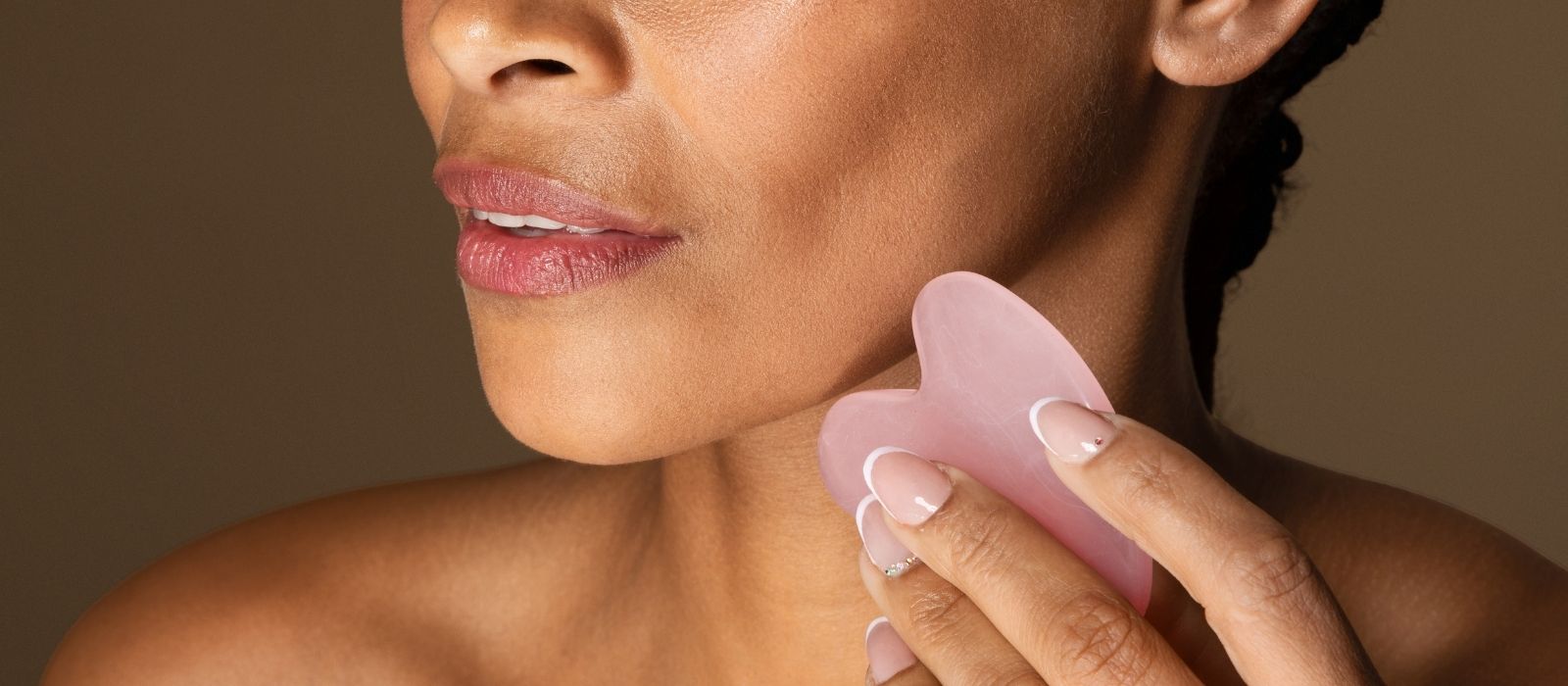
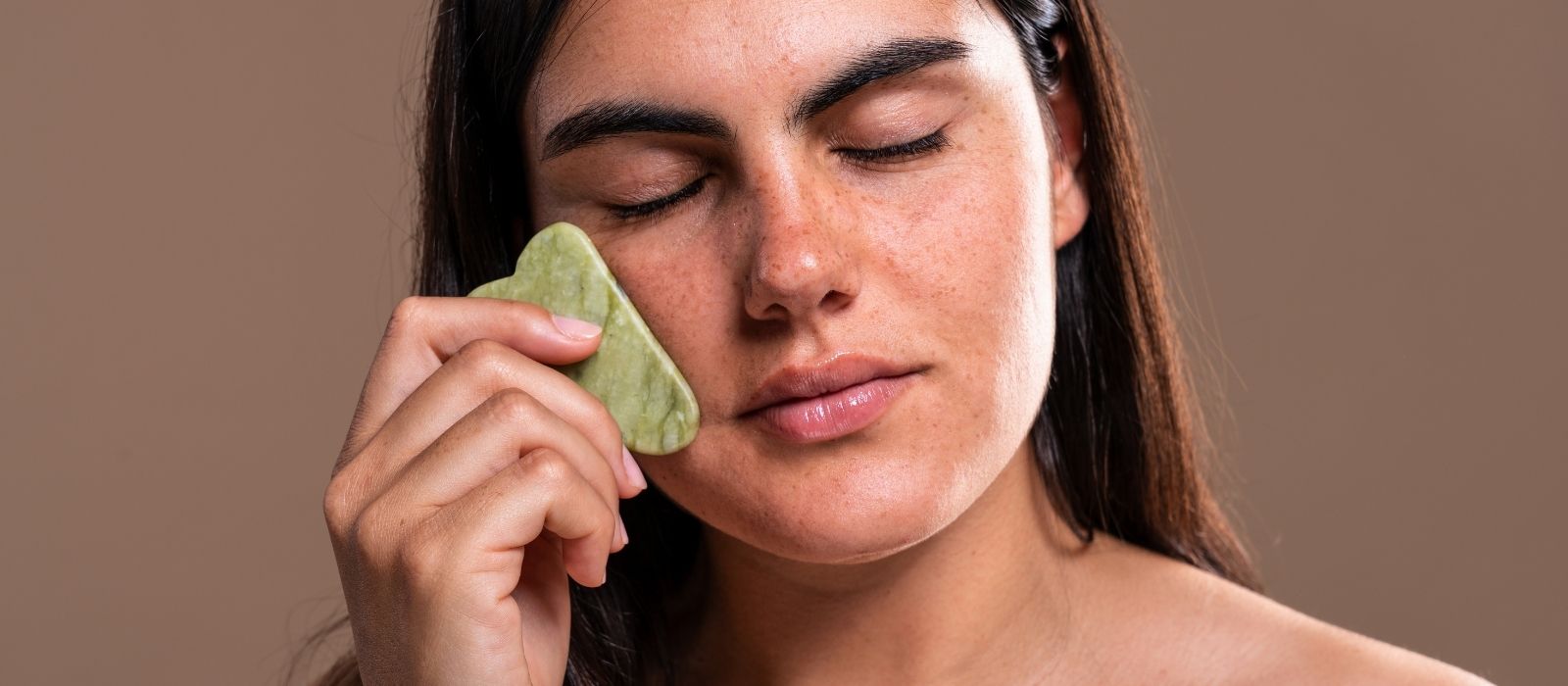
A gua sha tool's flat edge lets you press into tight spots in your jaw, temples and brow, and its curves fit your face for sweeping strokes toward the ears and neck. In an eight-week trial in 34 women, gua sha five days a week made facial muscles measurably less stiff, more so than a roller did.
Technique matters more than the stone. Use a facial oil or serum for slip, and hold the tool almost flat against your skin rather than upright, so the edge glides instead of digging in.
Stroke up and out from the centre of your face toward your hairline and ears. Spend a little longer, 30 seconds or so, wherever you hold tension, like the jaw joint or between your brows.
Gua sha works best for jaw tension when you do it regularly; the women in that trial used it for ten minutes a session. Keep the pressure slow and steady. You're easing muscle and moving fluid, not sculpting bone.
Jade Rollers Feel Good and Help With Puffiness
Rollers don't lift or contour, and there's no good evidence they push serum deeper into your skin. What they do have is a little circulation data. In a Japanese facial roller study, five minutes of rolling raised cheek blood flow by up to about 25% for more than ten minutes, and the roller group in the 34-woman trial gained some skin elasticity over eight weeks.
Use the large end on your cheeks, forehead and neck, and the small end around your eyes and nose. On the face, roll up and out. A roller kept in the fridge feels lovely on puffy morning skin.
The material matters less than brands claim. Jade, rose quartz and stainless steel all give you a cool, smooth surface, and there's no evidence any stone has special properties. A $15 steel roller does the same job as a $60 crystal one.
Your Hands Are Often More Effective Than Tools
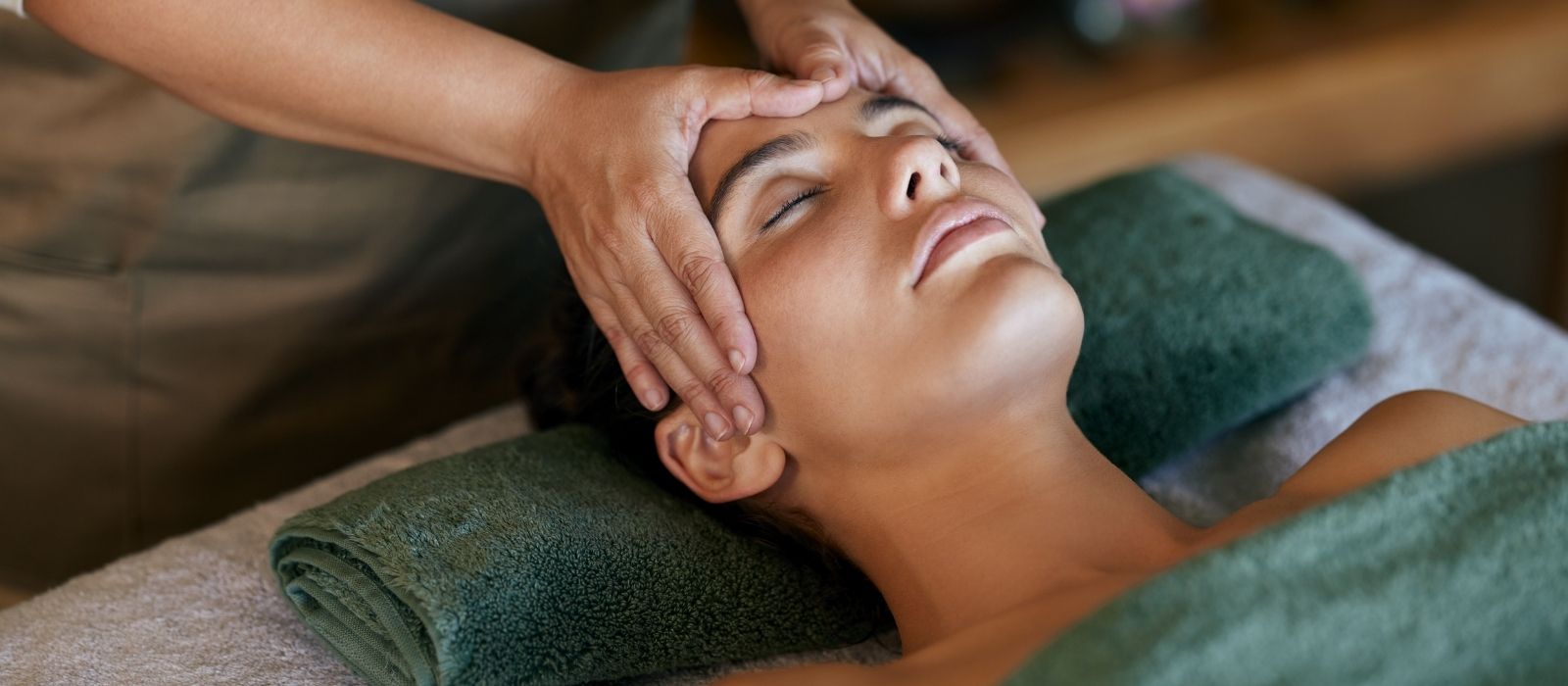
Your fingers can change pressure instantly, feel where you're tight and reach spots a rigid tool can't. Hand techniques for facial massage are worth learning before you buy anything.
Place your fingertips at the centre of your forehead and sweep out toward your temples. Glide up along your jawline from chin to ears. On a tight spot, press and hold for 10 to 15 seconds instead of rubbing.
For drainage, it helps to know where the lymph nodes are: in front of and below your ears, under your jaw and above your collarbone. Strokes on the face head toward the ears, and strokes on the neck go down toward the collarbone. Sweeping up the neck pushes the wrong way.
What Doesn't Work Despite the Claims
Facial cupping promises better circulation and fewer fine lines. It may plump skin briefly, but there's little evidence beyond that, and the suction can leave bruise-like marks that aren't a sign it's working.
Microcurrent devices claim to tone facial muscles. Good independent evidence that home devices visibly lift the face is hard to find, and FDA clearance means a device is considered low risk, not that it works.
Any tool promising to dissolve fat, lift sagging skin or reshape bone is overselling. Facial massage affects muscles and circulation, not your structure. Your facial bones don't move, and your fat pads don't melt under pressure.
How to Use What You Already Have
Start with clean skin and a few drops of facial oil. Five minutes or so is plenty, and longer doesn't buy better results. Focus on where you feel tension or see puffiness, usually around the eyes, jaw and temples.
Morning sessions take down overnight puffiness, and evening sessions are better for unwinding. Doing it regularly matters more than the timing. Keep the pressure especially gentle if your skin barrier is damaged or easily irritated.
FAQ
Do Facial Massage Tools Actually Work for Wrinkles
Not in any lasting way. They boost circulation and can make skin look a little plumper for a short time, so fine lines look softer. Easing muscle tension may soften expression lines slightly, but tools won't replace retinoids or daily sunscreen.
How Often Should You Use Facial Massage Tools
Anywhere from a few times a week to daily is fine for most people, as long as the tools are clean and you use some oil for slip. If you have active breakouts or rosacea, keep the pressure light and skip inflamed areas entirely.
What's the Difference Between Jade Roller and Gua Sha
A roller gives gentle, even pressure that suits light puffiness. Gua sha gives firmer, targeted pressure for tension in places like the jaw joint and temples. In one small trial, gua sha mainly changed muscle stiffness while a roller mainly improved skin elasticity.
This article is for informational purposes only. It is not a substitute for professional medical advice, diagnosis, or treatment. Always consult a qualified healthcare provider before making changes to your health routine.