Learn the real signs of sensitive skin and what to do about it. From identifying triggers to building a routine that actually works without irritation.
A face wash everyone raves about makes your face burn. A new serum turns you red. Products that were fine last week suddenly sting. Sound familiar?
Sensitive skin is a consistent pattern, not the odd bad reaction. An international expert group defines it as unpleasant sensations in response to things that normally shouldn't cause them, which can't be explained by another skin disease. Your skin may look normal or a little red.
It often gets confused with a damaged barrier, an allergy or a product that's simply too strong. Here's how to tell if you have sensitive skin: reactions keep happening across different products, flare with weather or stress, and settle when you use fewer things. If your skin only reacts to one ingredient, you're probably dealing with something else.
Signs You Actually Have Sensitive Skin
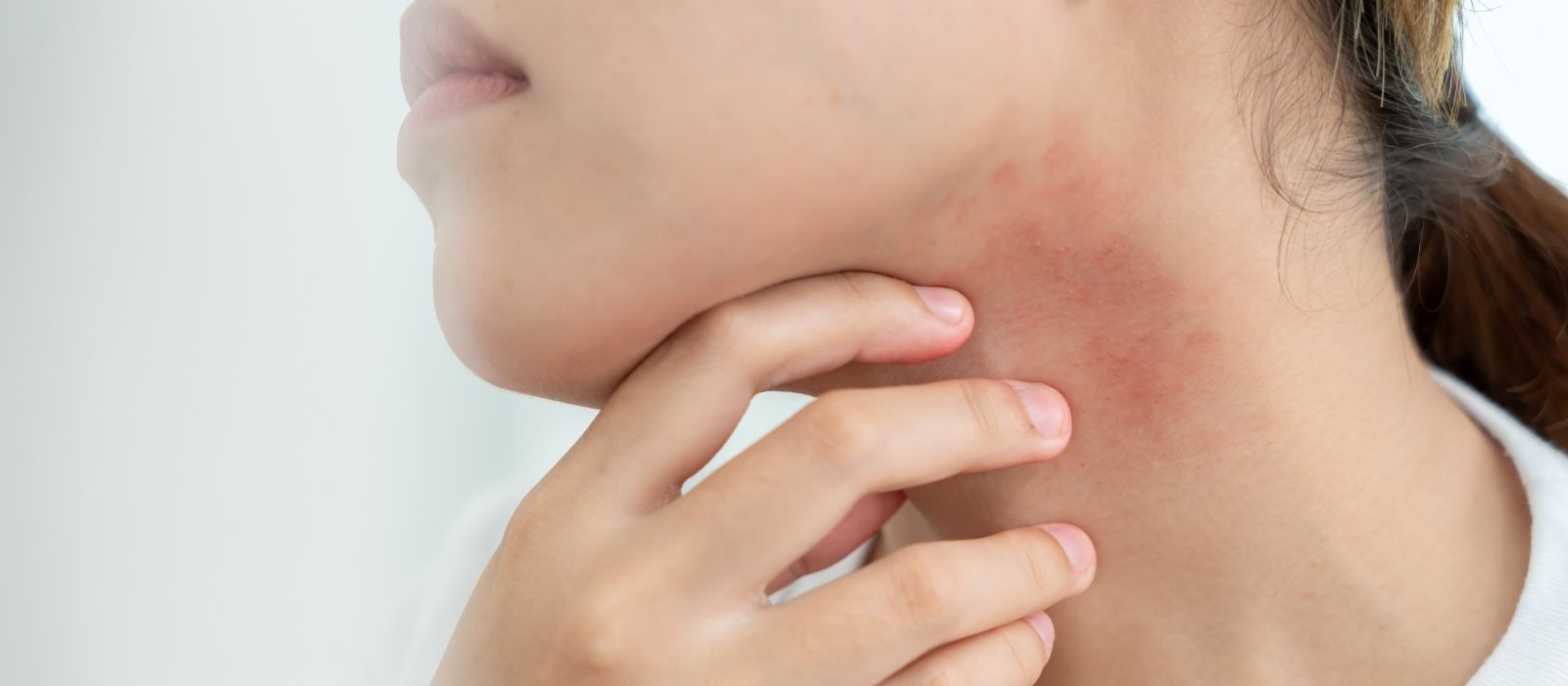
You feel stinging or burning from products that should feel like nothing: a basic cleanser, a plain moisturizer, sometimes even water. Your face flushes easily with heat, cold or wind. Wool or rough fabric against your face itches.
Timing is a clue. Sensitive skin usually reacts within minutes of applying something, while contact dermatitis, from an irritant or an allergy, usually appears within a few hours or days. Purging is different again: it only happens with exfoliating ingredients and looks like small breakouts.
Your skin may also feel tight or uncomfortable on days you use nothing at all. Flare-ups often cluster around seasonal changes or stressful weeks.
What's Causing the Sensitivity
Researchers still debate the cause. The same expert paper points to nerve endings in the skin behaving differently, and a weaker barrier lets more of a product reach them.
The triggers it lists are physical ones like sun, heat, cold and wind, chemical ones like cosmetics, soap and water, and sometimes stress. Stress affects your skin through its barrier too: a 2019 review of 21 studies found it leaves skin drier and losing more water.
Hormones play a part for some women. The menstrual cycle is a recognized trigger, and your skin changes through your cycle, so you may notice more reactions at certain points in the month.
What Makes Sensitive Skin Worse
Fragrance is one of the most common problems, and that includes essential oils like lavender or tea tree, not only obviously perfumed products. Alcohol-heavy toners and astringents strip your skin and make it more reactive.
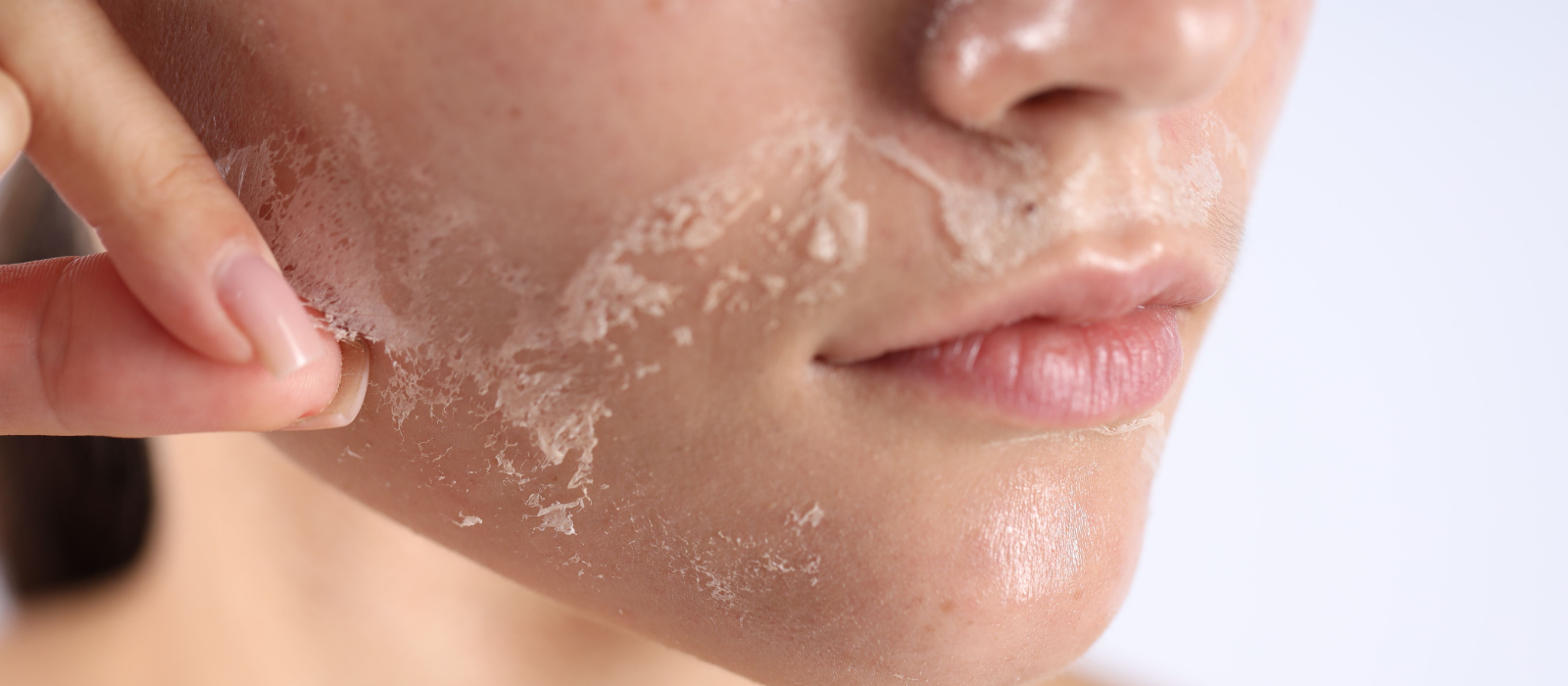
Over-cleansing and stacking actives overwhelm sensitive skin. If you're layering vitamin C, retinol and acids in one routine, that's probably causing the irritation you're trying to treat. Over-exfoliating wrecks your skin even when it seems to be working at first.
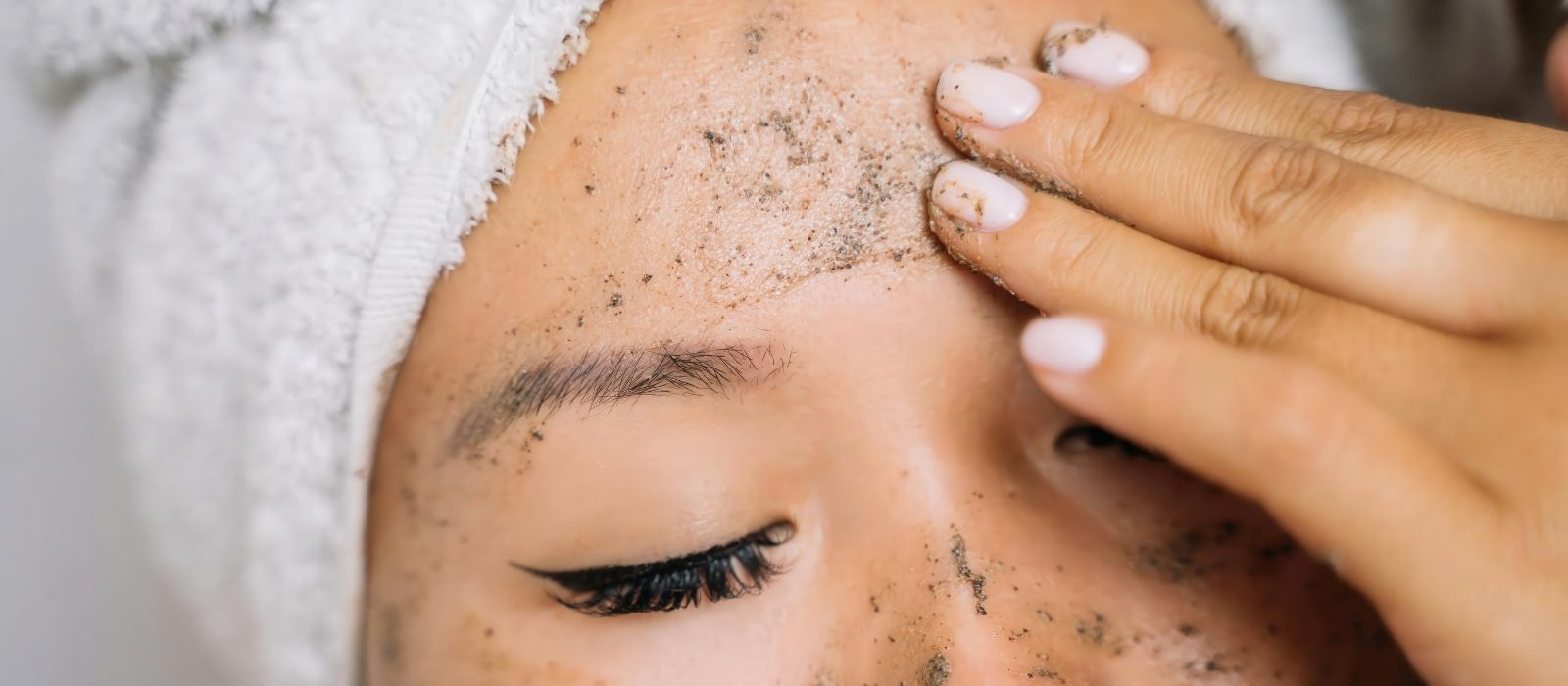
Scrubs, rough washcloths and daily cleansing brushes are too much for reactive skin. Your fingertips are enough.
How to Build a Routine That Works
Start with the basics: a gentle cleanser, a simple moisturizer and sunscreen. Stay with just those for at least two weeks, and pick short ingredient lists without fragrance, essential oils or alcohol.
Ceramides, hyaluronic acid and niacinamide are good moisturizer ingredients for most sensitive skin. Ceramides are part of your barrier's own structure, so they help it hold water.
Once your skin is calm, add one product at a time. The American Academy of Dermatology suggests testing a new product on a small patch of skin, like your inner arm, twice a day for 7 to 10 days before using it on your face. Leaving a couple of weeks between new products makes it easy to spot what causes a reaction.
If you want retinol or vitamin C, start with low strengths a couple of times a week. Repairing your skin barrier comes before treating acne or aging.
When to See a Professional
If your skin reacts to everything, including products made for sensitive skin, you may have a condition like rosacea or contact dermatitis rather than sensitive skin. A dermatologist can tell them apart, and patch testing can pin down a specific allergy.
See a doctor about burning that happens without any products, reactions that keep getting worse even with a simpler routine, or redness across your nose and cheeks that comes and goes, which can be an early sign of rosacea.
FAQ
Can you develop sensitive skin as an adult?
Yes. It can start at any age, and changes in hormones, climate, stress or years of harsh products can all bring it on. Pregnancy and menopause are common times for skin to start behaving differently.
How long does it take to calm sensitive skin?
If irritation from your routine is the main problem, many people notice calmer skin within a few weeks of simplifying. Truly sensitive skin is usually something you manage long term rather than fix, so the aim is fewer flare-ups.
What's the difference between sensitive skin and a damaged skin barrier?
Sensitive skin is an ongoing tendency to react to things that shouldn't bother you, and it has often been there for years. A damaged barrier usually comes from over-treating your skin or harsh conditions, and it tends to improve once you remove the cause. The two often overlap.
This article is for informational purposes only. It is not a substitute for professional medical advice, diagnosis, or treatment. Always consult a qualified healthcare provider before making changes to your health routine.