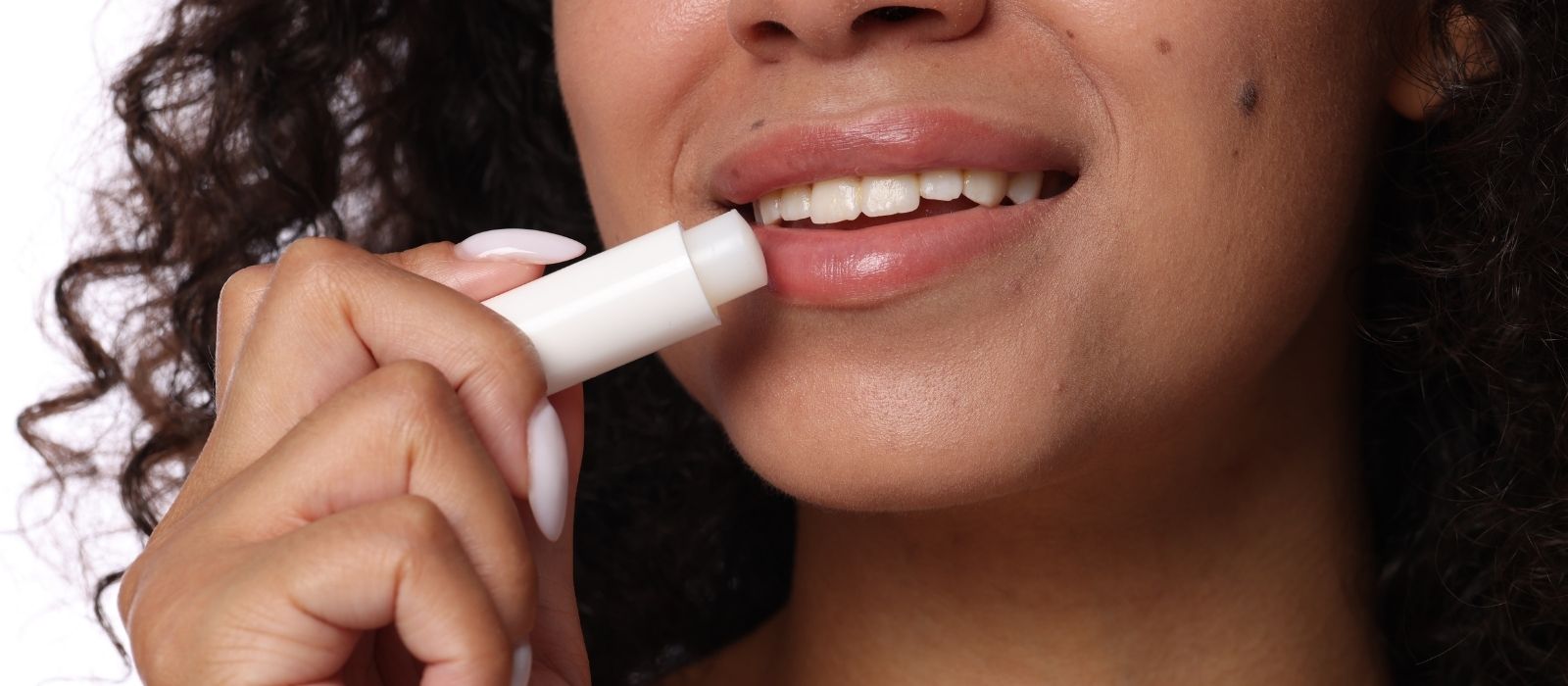
Lip serums promise hydration and anti-aging benefits, but do they actually work better than balm? Here's what lip serums do and whether you need one.
You've got six lip balms scattered across your purse, car and bedside table, and your lips still feel dry by noon. Now lip serums promise deeper hydration and anti-ageing benefits your balm can't deliver.
Most people don't need one. Chronically dry lips usually have a cause a serum won't fix, or you're using the wrong products. Before you spend $25 on another tube, it helps to know what lip serums do and whether your lips actually have the problem they're designed for.
A lip serum is a lighter product with active ingredients, usually hyaluronic acid, peptides or vitamin C. They're aimed at fine lines, loss of fullness and uneven colour rather than plain dryness. Most of what's known about these ingredients comes from research on facial skin, not lips.
How Lip Serums Actually Work
Your lips don't have oil glands like the rest of your face. Balms and ointments work by sealing in the water that's already there, which is why the American Academy of Dermatology recommends a thick ointment like white petroleum jelly for very dry lips.
Hyaluronic acid, the most common serum ingredient, is a humectant: it pulls water into the surface layer, so lips look smoother and a little fuller for a while. It works best under a balm that stops that water evaporating again.
Peptides are meant to signal skin to make more collagen, which could soften vertical lip lines over time, though the evidence comes mainly from facial products. Vitamin C serums are aimed at uneven lip colour and dark spots.
So the honest difference is this: a balm protects right away, while a serum's active ingredients, if they help at all, need weeks of daily use.
What Lip Serums Can't Fix
If your lips are always dry no matter what you use, a serum won't solve it. Chronic dryness usually comes from licking your lips, mouth breathing or irritating ingredients like menthol, camphor and flavourings.
Serums won't do much for dark lips from hyperpigmentation either. A vitamin C serum might soften mild discoloration, but significant pigment changes need a different approach.
Chapped or cracked lips need to heal, not more active ingredients. Putting a serum on broken skin can sting and slow healing, so stick with plain petroleum jelly or a basic lip care routine until they've healed. The AAD says most chapped lips heal within two to three weeks; if yours don't, see a dermatologist.
Who Actually Benefits from Lip Serums
A serum makes most sense if you have a specific concern. If you're noticing fine vertical lines around your lips, a peptide serum is a reasonable thing to try, since the skin there is thin and shows ageing early.
Plumping serums usually combine a mild irritant, such as cinnamon, ginger or peppermint, which makes lips swell briefly by increasing blood flow, with hyaluronic acid. The AAD lists flavourings like cinnamon and mint among ingredients to avoid on chapped lips, and in a study of 54 people whose lip eczema was suspected to come from toothpaste, flavourings (especially spearmint oil) were the most common allergens. If a plumper burns rather than tingles, stop using it.
If your lips look uneven in colour or have dark spots from old injuries or picking, a vitamin C serum may even them out slowly. Newer marks tend to respond better than old ones.
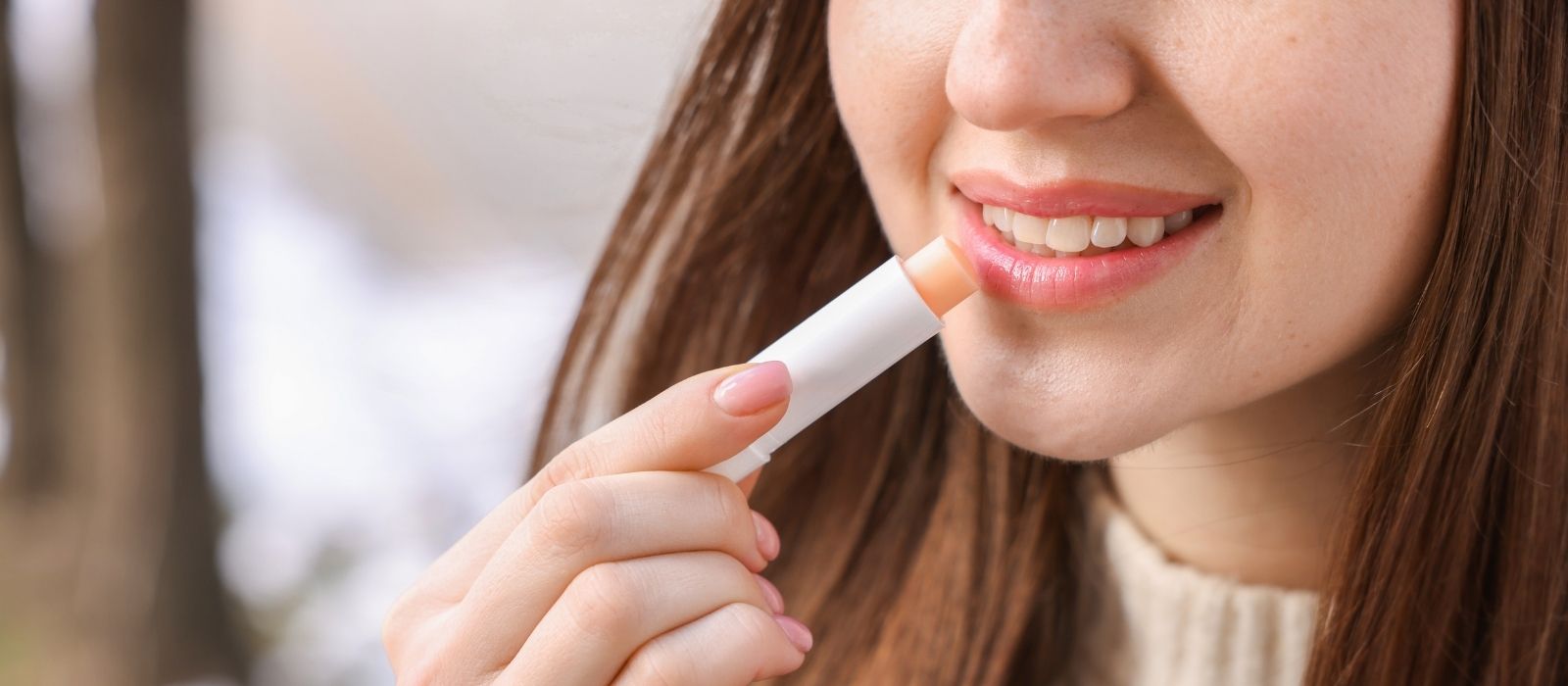
If you try one, use it every day for several weeks before judging it. Apply it to clean lips, then seal it in with a plain balm.
Skip the Serum If This Sounds Like You
Your lips peel constantly, you lick them throughout the day, or you're using medicated lip products. Fix the basics first, because active ingredients can irritate already damaged skin.
You want results today. A good balm and SPF for your lips will do more right now. The NHS suggests a balm with petroleum jelly or beeswax, and SPF 15 or more every two hours outdoors.
Your main concern is dryness that a regular balm already handles. If plain petroleum jelly or a simple balm keeps your lips comfortable, you don't need the extra step.
Lip serums usually cost more than a good balm. If your goals don't match what they offer, spend the money on basics and on whatever's drying your lips out.
Frequently Asked Questions
Do lip serums work better than lip balm?
They do different jobs. Balms seal in moisture and protect straight away, while serums carry active ingredients aimed at lines or colour. For dryness, a plain balm or petroleum jelly works better.
How long does it take for lip serum to work?
A hyaluronic acid serum can make lips look smoother within a day or two, but that's surface hydration. Any change to fine lines or colour would take several weeks of daily use, and it may not happen at all.
Can you use lip serum under lipstick?
Yes. Let the serum sink in for a few minutes before your lipstick, and add a thin layer of balm in between if your lips are dry.
This article is for informational purposes only. It is not a substitute for professional medical advice, diagnosis, or treatment. Always consult a qualified healthcare provider before making changes to your health routine.