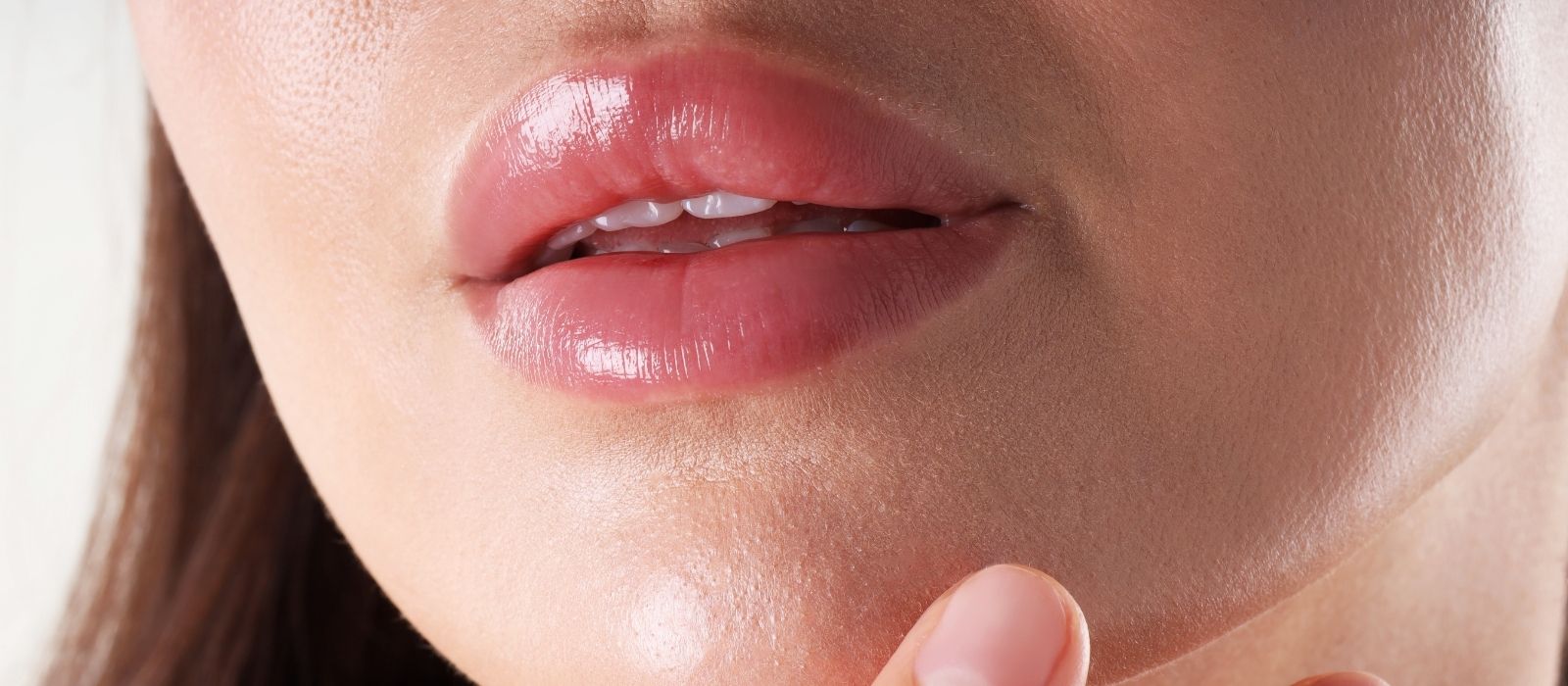
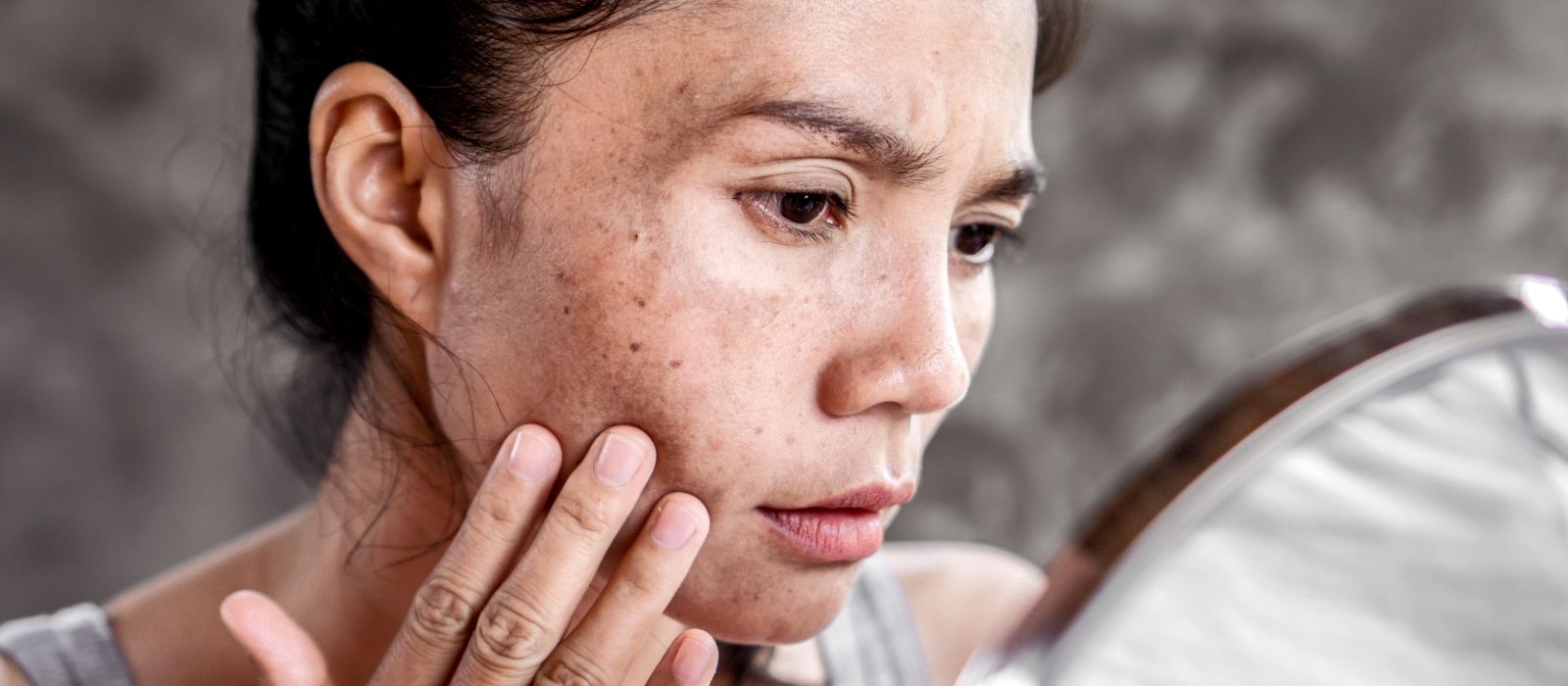
Dark lips can be caused by smoking, sun damage, medical conditions, or genetics. Learn the real causes of lip hyperpigmentation and which treatments actually work.
Your lips used to be pinker. Now they're darker, and lip balm hasn't changed that. You've probably wondered whether it's something you're doing, and whether it can be reversed.
Dark lips can be completely normal, the result of a habit you can change, or occasionally a sign of a medical condition or a medicine's side effect. Most dark lips causes and treatment options are simple once you know which group you're in.
The darkness usually comes from extra melanin, the same pigment behind dark spots anywhere else. Lips are different from the rest of your skin, though. They're thinner, have fewer oil glands, and are in constant contact with saliva, food and sun.
What Actually Causes Dark Lips
Smoking is a common cause. It's linked to darker patches on the lips and gums, known as smoker's melanosis, which build up gradually over years of smoking.
Sun exposure adds up too. Lips burn easily and have little natural protection, so UV can deepen their color, especially if you're outdoors without lip protection with SPF. The American Academy of Dermatology recommends a lip balm with SPF 30 or higher.
Some medical conditions cause lip pigmentation. Addison's disease, where the adrenal glands don't make enough hormones, can cause patches of darker skin, and it usually comes with other symptoms such as extreme tiredness, dizziness on standing, salt cravings and weight loss. Peutz-Jeghers syndrome, an inherited condition, causes small dark freckle-like spots on and around the lips that usually appear before age 5 and is linked to bowel polyps. Both need a doctor, not a lip product.
Some medicines darken the lips or mouth. Long-term antimalarials such as hydroxychloroquine can cause blue-gray pigmentation inside the mouth, some chemotherapy drugs cause pigmentation, and hormonal contraception or HRT can stimulate extra pigment production. Never stop a medicine because of this: drug-related pigmentation often fades slowly once a drug is stopped or changed, but that's a decision for your doctor.
Genetics plays a big part. Naturally darker lips are common in people with deeper skin tones and often run in families. They don't need treating.
Frequent lip licking dries and irritates the lips, and irritation can leave darker marks behind, especially on deeper skin tones. Harsh scrubbing and lip products that sting can do the same.
Treatment Options That Actually Work
Deal with the cause first. If you smoke, quitting is the most useful step for your lips and everything else. If you suspect a product, switch to a fragrance-free balm.
See a dermatologist for anything stronger. Lips are delicate and right next to your mouth, and many lightening creams aren't meant for them: hydroquinone, for example, is prescription-only in many countries and should be kept away from the eyes and mouth. A dermatologist can decide whether a prescription treatment or a laser suits your type of pigmentation.
Avoid lightening creams sold online or without a clear ingredient list. The World Health Organization warns that some skin-lightening products contain mercury, which is toxic and banned in many countries, yet these products still turn up for sale online.
Daily lip care prevents further darkening. Use a lip balm with SPF 30 every day, reapply it, and keep any exfoliation gentle, no more than once a week.
Milder ingredients have little evidence behind them for lips. Kojic acid, which comes from fungi, and vitamin C can slowly fade pigmentation elsewhere on the skin, but both can irritate, so patch test first. Skip lemon juice and baking soda entirely.
Be patient. Any lightening takes months, and pigmentation tends to come back if the cause continues. A single dark spot on the lip that is new, growing, changing or bleeding needs a doctor rather than a lightening product, because a new or changing mole can be a sign of melanoma.
FAQ
Can dark lips go back to normal?
Often, if the darkening comes from smoking, sun or irritation and you deal with the cause. Naturally dark lips are normal and don't need changing, and pigmentation from a medical condition or medicine needs a doctor's input.
How long does it take to lighten dark lips?
Expect months rather than weeks, and only with daily sun protection and the cause dealt with. A dermatologist can tell you what's realistic for your type of pigmentation.
Do home remedies for dark lips actually work?
A few gentle ingredients, like vitamin C, may help slowly, but the evidence for lips is limited. Lemon juice and baking soda can irritate lips and make darkening worse, and lightening creams of unknown origin may contain mercury.
This article is for informational purposes only. It is not a substitute for professional medical advice, diagnosis, or treatment. Always consult a qualified healthcare provider before making changes to your health routine.