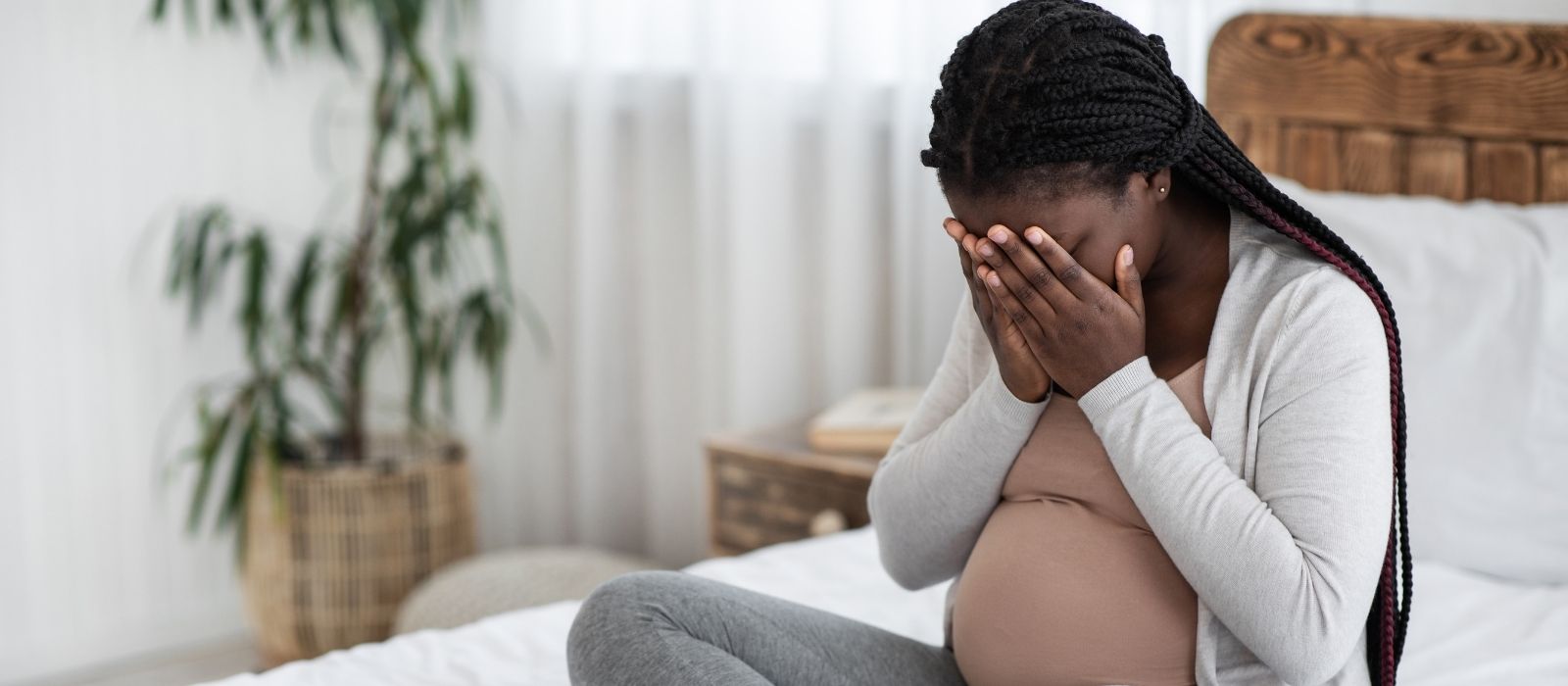
Postpartum anxiety is as common as PPD, but it gets far less attention and is far more likely to go undiagnosed. Here's how to tell them apart.
You check on your sleeping baby twelve times in one hour. You can't stop researching SIDS prevention at 2 AM. Your heart races every time someone else holds your newborn, and you've memorized every possible choking hazard in your house.
Your doctor asks if you're feeling sad, and you say no, because you're not. You're terrified.
That's postpartum anxiety, and it affects up to 15% of new mothers. The same percentage as postpartum depression. Yet most women have never heard of it, and most healthcare providers aren't screening for it.
The difference between postpartum anxiety and postpartum depression comes down to energy and focus. Depression drains you, you feel empty, disconnected, maybe hopeless. Anxiety floods you with energy, but it's the wrong kind.
Your mind races with worst-case scenarios. You're hyperalert, checking and rechecking everything related to your baby's safety.
Why Postpartum Anxiety Gets Missed
The Edinburgh Postnatal Depression Scale, the standard screening tool used at most postpartum checkups, was designed to catch depression. It asks about sadness, crying, and feeling overwhelmed. It doesn't ask about racing thoughts, intrusive images of harm coming to your baby, or the need to control every variable in your environment.
Women with postpartum anxiety often score low on depression screenings because they're not sad. They're functioning. They're researching car seat safety at midnight and sanitizing everything twice. To outsiders, this looks like good parenting, not a mental health condition.
There's also the hypervigilance factor that gets mistaken for normal new parent worry. Every new parent checks on their sleeping baby more than necessary. But postpartum anxiety takes this to extremes. You might find yourself unable to sleep even when your baby is sleeping because your brain won't stop running through disaster scenarios.
How Postpartum Anxiety Actually Shows Up
Postpartum anxiety symptoms look different from the sadness and numbness of depression. Your thoughts move fast and loud. You might experience intrusive images, sudden, unwanted mental pictures of your baby getting hurt.
These aren't wishes or intentions. They're your brain's anxiety response gone haywire.
Physical symptoms hit hard too. Heart palpitations, shortness of breath, muscle tension, and digestive issues are common. You might feel like you're vibrating with nervous energy even when you're exhausted. Sleep becomes impossible not because you're too sad to rest, but because your mind won't stop problem-solving imaginary crises.
The control piece is huge. Women with postpartum anxiety often become rigid about routines, schedules, and safety measures. You might refuse to let anyone else feed your baby, change routes to avoid busy intersections, or research every ingredient in baby products obsessively. This isn't perfectionism, it's your brain trying to manage unbearable uncertainty.
The Hormone Connection Nobody Mentions
Postpartum anxiety has real biological roots. Estrogen and progesterone plummet after birth, affecting neurotransmitters that regulate anxiety. The same estrogen changes that impact mood during perimenopause create similar anxiety patterns postpartum, just more suddenly.
Cortisol, your stress hormone, also stays elevated after birth, especially if you're not sleeping or if breastfeeding isn't going smoothly. Chronic high cortisol rewires your brain's threat detection system, making everything feel more dangerous than it actually is.
Thyroid dysfunction affects up to 10% of postpartum women and can trigger anxiety symptoms that look identical to postpartum anxiety disorder. That's why thyroid testing should be standard for any new mother experiencing anxiety symptoms.
Getting the Right Help
Treatment for postpartum anxiety works differently than depression treatment. Cognitive behavioral therapy focuses on reality-testing your worry thoughts and reducing safety behaviors that feed the anxiety cycle. Medication options include SSRIs that are safe for breastfeeding, but the approach differs from depression protocols.
Support groups specifically for postpartum anxiety help more than general new parent groups because other women understand the specific terror of intrusive thoughts and hypervigilance. Online communities like Postpartum Support International offer resources when local options don't exist.
The most important thing to know: having scary thoughts about your baby doesn't make you dangerous. Postpartum anxiety creates intrusive thoughts precisely because you care so much about protecting your child. These thoughts are symptoms, not intentions.
FAQ
Can you have postpartum anxiety and depression at the same time?
Yes, about 30% of women with postpartum depression also have significant anxiety symptoms. This combination is called comorbid postpartum anxiety and depression, and it requires treatment that addresses both conditions.
How long does postpartum anxiety last without treatment?
Postpartum anxiety can persist for months or even years without proper treatment. Unlike baby blues that resolve within two weeks, clinical postpartum anxiety typically worsens over time if left untreated and can interfere with bonding and daily functioning.
Is postpartum anxiety different from regular anxiety that starts after having a baby?
Postpartum anxiety specifically involves obsessive worry about the baby's safety and wellbeing, intrusive thoughts about harm coming to the baby, and hypervigilance around parenting tasks. General anxiety that happens to start postpartum focuses on broader life concerns, not baby-specific fears.
This article is for informational purposes only. It is not a substitute for professional medical advice, diagnosis, or treatment. Always consult a qualified healthcare provider before making changes to your health routine.