If your anxiety spikes before your period, your hormones are almost certainly driving it. Here's the science behind it and what actually helps.
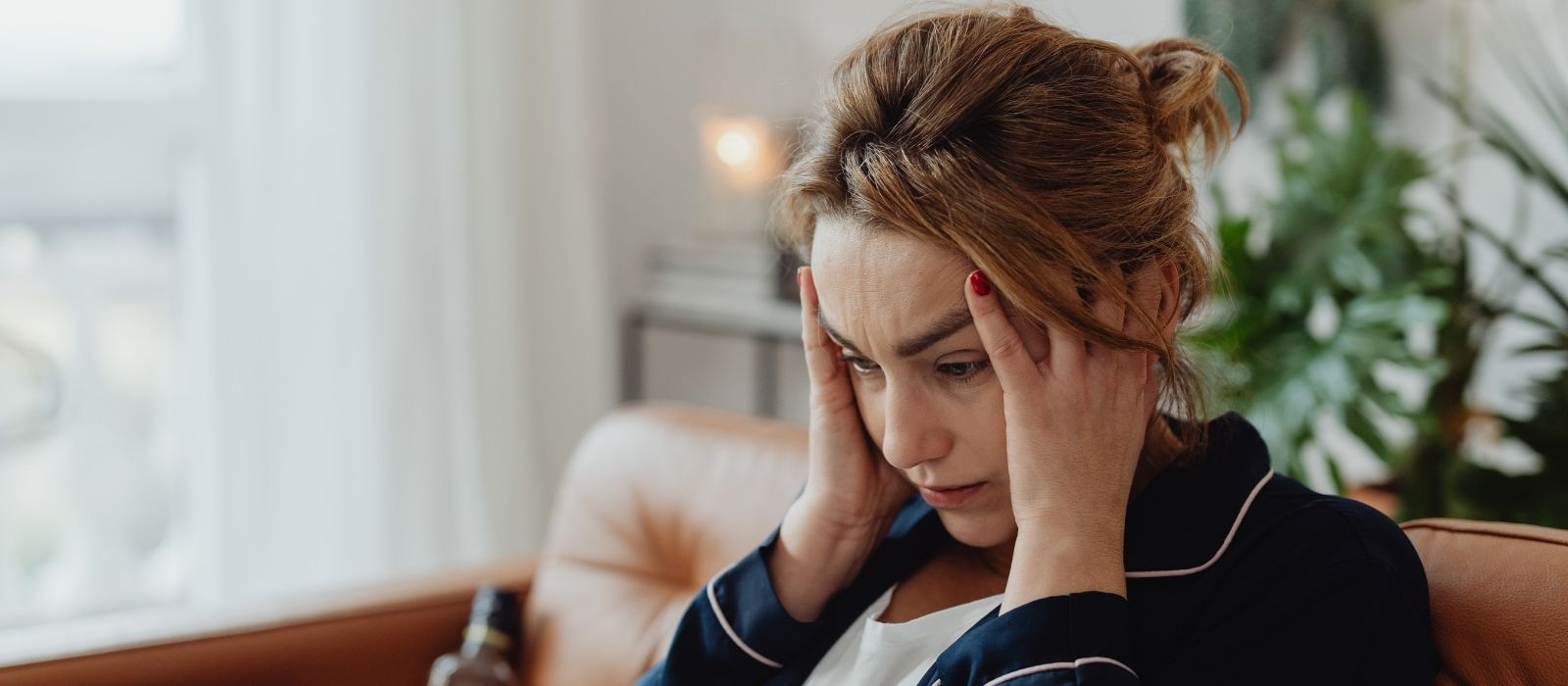
Your anxiety feels worse ten days before your period arrives. Not every month, but most of them. You start overthinking conversations that went fine, catastrophizing about work projects that are actually on track, and lying awake replaying scenarios that will probably never happen.
You might wonder if you're imagining the pattern. You're not. The spike in anxiety before your period has everything to do with hormones crashing in your luteal phase — the two weeks between ovulation and menstruation when estrogen and progesterone plummet.
Here's what's actually happening: progesterone acts like a natural anxiety medication throughout most of your cycle. When it drops suddenly in the luteal phase, your brain's GABA system — the neurotransmitter responsible for keeping you calm — stops working as effectively. Meanwhile, falling estrogen reduces serotonin production, the neurotransmitter that regulates mood and prevents spiraling thoughts.
The Luteal Phase Hormone Drop
After ovulation, progesterone should stay elevated to support a potential pregnancy. If no pregnancy occurs, both progesterone and estrogen crash around days 21-28 of your cycle. This hormonal anxiety cycle affects around 75% of menstruating women according to research from the University of Pennsylvania.
Progesterone breaks down into allopregnanolone, a compound that enhances GABA receptors in your brain. GABA is your primary inhibitory neurotransmitter — it puts the brakes on anxious thoughts and keeps your nervous system balanced. When progesterone drops, allopregnanolone production drops too. Your brain suddenly has less natural anxiety regulation.
Estrogen works differently but creates similar problems when it falls. It helps produce serotonin and supports the receptors that serotonin binds to. Lower estrogen means less serotonin activity, which shows up as increased worry, irritability, and that familiar feeling of everything being harder to handle.
Why Some Months Feel Worse Than Others
The intensity of luteal phase anxiety depends on how steep your hormone drop is, not just how low the levels get. Stress, poor sleep, and blood sugar swings make the crash more dramatic. A study from Harvard Medical School found that women with higher baseline stress cortisol experienced more severe mood changes during their luteal phase.
This explains why some cycles feel manageable while others leave you questioning your entire life. External stressors amplify the hormonal shifts your brain is already struggling to handle.
What Actually Helps Hormonal Anxiety
Magnesium glycinate works specifically for cycle-related anxiety because it supports both GABA production and muscle relaxation. Take 200-400mg daily starting at ovulation. Research from the Journal of Women's Health shows magnesium reduces luteal phase anxiety symptoms in 60% of women within two cycles.
Vitamin B6 helps your body produce serotonin and GABA more efficiently. The effective dose is 50-100mg daily, but don't exceed 100mg — higher doses can cause nerve problems over time. Studies from the University of Reading found B6 supplementation reduced PMS anxiety scores by 40% compared to placebo.
Prioritize protein and healthy fats during your luteal phase. Your brain needs amino acids to make neurotransmitters, and stable blood sugar prevents additional stress on your already-taxed hormone system. Avoid restricting calories — your body needs extra energy to manage the hormonal transition.
When Professional Help Makes Sense
If your anxiety becomes severe enough to interfere with work, relationships, or sleep for more than a few days each cycle, talk to a healthcare provider. Premenstrual dysphoric disorder affects 5-8% of menstruating women and requires targeted treatment.
Some women benefit from hormonal birth control that prevents the dramatic luteal phase drop. Others do better with targeted therapy during their vulnerable window or low-dose antidepressants taken only during the luteal phase.
Track your symptoms for three months before seeking treatment. Note anxiety levels, sleep quality, and energy on a simple 1-10 scale daily. This data helps healthcare providers understand your specific pattern and choose the most effective approach.
Your hormonal anxiety cycle isn't a character flaw or something you need to tough out. It's a predictable biological response to dramatic hormone changes. Understanding the timing and underlying mechanisms gives you tools to manage it instead of feeling blindsided every month.
FAQ
Why does my anxiety get worse before my period?
Progesterone and estrogen drop sharply in your luteal phase, reducing natural GABA and serotonin production that normally keep anxiety in check.
How long before my period does hormonal anxiety start?
Most women notice increased anxiety 7-10 days before their period starts, coinciding with the steepest hormone decline in the luteal phase.
Does birth control help with period anxiety?
Some types of hormonal birth control can reduce luteal phase anxiety by preventing dramatic hormone fluctuations, but effects vary significantly between individuals and formulations.
This article is for informational purposes only. It is not a substitute for professional medical advice, diagnosis, or treatment. Always consult a qualified healthcare provider before making changes to your health routine.