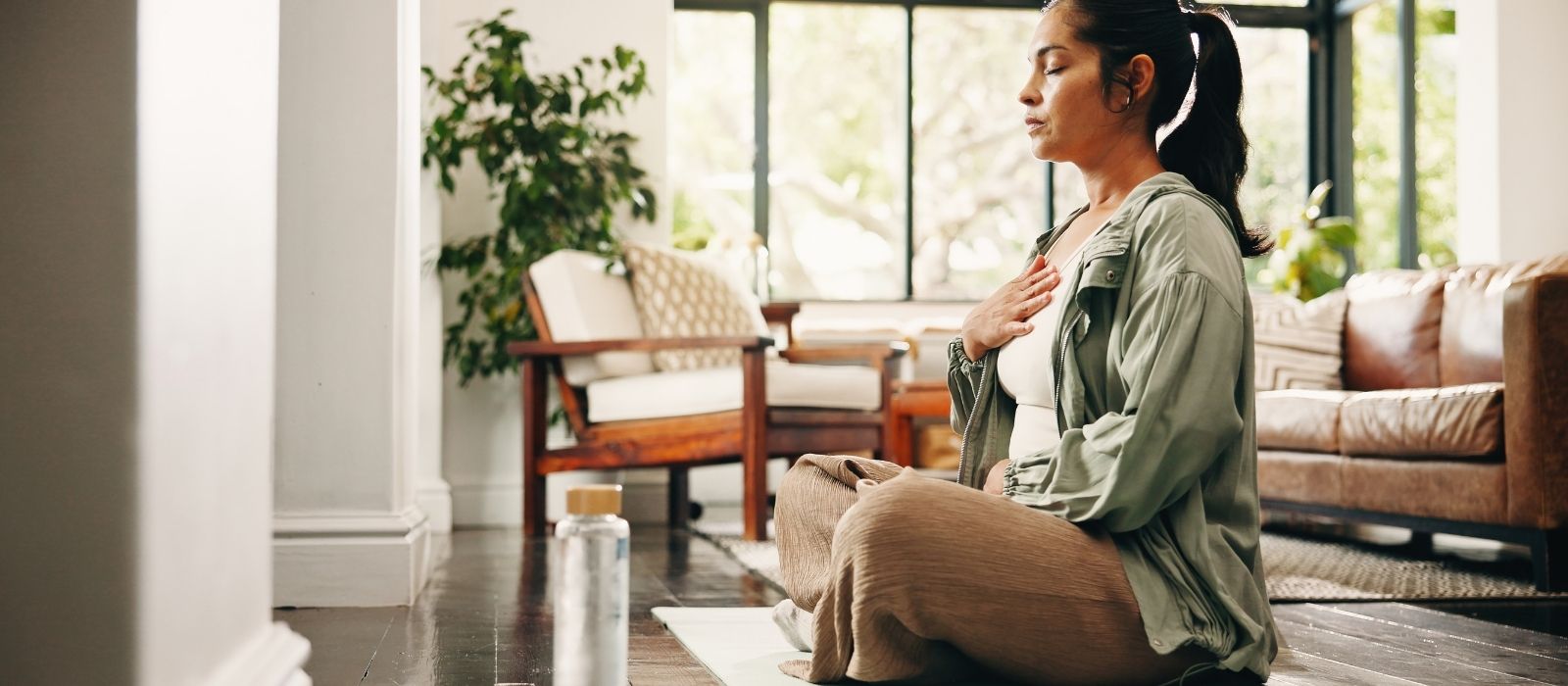
Breathwork changes your nervous system by activating your vagus nerve and shifting you from fight-or-flight to rest mode. Here's what happens and which techniques work.
You're sitting in traffic, cortisol spiking, heart racing over a work deadline. Then you take five deep breaths and feel your shoulders drop. That's not placebo, that's your vagus nerve doing exactly what it's designed to do.
Breathwork is the practice of controlling your breathing patterns to influence your physical and mental state. It ranges from simple techniques like box breathing to more intense practices like holotropic breathwork. What makes it different from just 'taking a deep breath' is the intentional use of specific patterns, timing, and awareness to trigger measurable changes in your nervous system.
The reason breathwork works comes down to anatomy. Your breathing is controlled by both voluntary and involuntary systems, making it the only bodily function that bridges conscious control with automatic responses. When you change how you breathe, you directly influence your autonomic nervous system, the part that controls your heart rate, blood pressure, digestion, and stress response.
How Breathwork Changes Your Nervous System
Your autonomic nervous system has two main branches: sympathetic (fight-or-flight) and parasympathetic (rest-and-digest). Most stress-related health issues happen when you're stuck in sympathetic overdrive, chronic tension, poor sleep, digestive problems, elevated cortisol.
Slow, deep breathing activates your vagus nerve, the longest cranial nerve that connects your brain to major organs. When you exhale longer than you inhale, you stimulate the vagus nerve, which sends signals to release acetylcholine, a neurotransmitter that slows your heart rate and activates the parasympathetic response.
There's a study from Stanford Medicine that found just five minutes of specific breathing patterns can reduce anxiety and improve mood more effectively than meditation. The researchers tracked participants using controlled breathing techniques and found measurable decreases in resting heart rate and improvements in heart rate variability within days.
The Cleveland Clinic reports that breathwork can lower cortisol levels by 23% after just one session. This isn't subtle, it's a significant physiological shift that affects everything from inflammation to sleep quality.
What Different Breathing Techniques Actually Do
Not all breathwork serves the same purpose. Box breathing versus 4-7-8 breathing target different outcomes based on their rhythm and ratio.
Box breathing (inhale 4, hold 4, exhale 4, hold 4) balances your nervous system without pushing you too far into relaxation mode. It's useful before presentations or when you need calm alertness. Navy SEALs use this technique in high-stress situations because it maintains focus while reducing anxiety.
The 4-7-8 technique (inhale 4, hold 7, exhale 8) creates a stronger parasympathetic response because of the extended exhale. Dr. Andrew Weil, who popularized this method, calls it a 'natural tranquilizer' because the long exhale forces your body into rest mode. This makes it particularly effective for falling asleep faster.
Wim Hof breathing involves rapid inhalations followed by breath holds, which temporarily increases adrenaline and stress hormones before creating a rebound relaxation effect. Research from Radboud University found this technique can influence immune response and reduce inflammation markers.
Building a Practice That Works
The most effective breathwork happens consistently, not intensely. Building a daily breathwork practice means starting with two to three minutes rather than jumping into hour-long sessions.
Your nervous system adapts to regular practice. After two weeks of daily breathwork, your baseline stress response begins to shift. Your heart rate variability improves, which means your body becomes more resilient to stress and recovers faster from activation.
The Mayo Clinic notes that breathwork is particularly beneficial for women dealing with hormonal changes because it directly impacts the hypothalamic-pituitary-adrenal axis, the same system that regulates reproductive hormones. This makes it a useful tool during perimenopause, postpartum recovery, and menstrual cycle management.
What makes breathwork different from other stress management techniques is its immediacy. You don't need equipment, apps, or perfect conditions. You can use it in your car, at your desk, or lying in bed. The key is understanding which technique serves which purpose and practicing regularly enough that your nervous system starts to reset its baseline.
Frequently Asked Questions
How long does it take for breathwork to work?
You'll feel immediate effects within minutes, slower heart rate, reduced muscle tension, clearer thinking. But lasting changes to your stress response take about two weeks of daily practice. Your nervous system needs time to reset its baseline activation level.
Can breathwork replace anxiety medication?
Breathwork can significantly reduce anxiety symptoms, but it shouldn't replace prescribed medication without medical supervision. Many people use it alongside medication or therapy. Always discuss changes to your treatment plan with your healthcare provider.
What's the difference between breathwork and meditation?
Meditation typically focuses on awareness and observation, while breathwork uses active control of breathing patterns to create specific physiological changes. Breathwork tends to produce faster, more measurable effects on your nervous system, while meditation builds long-term mindfulness and emotional regulation skills.
This article is for informational purposes only. It is not a substitute for professional medical advice, diagnosis, or treatment. Always consult a qualified healthcare provider before making changes to your health routine.