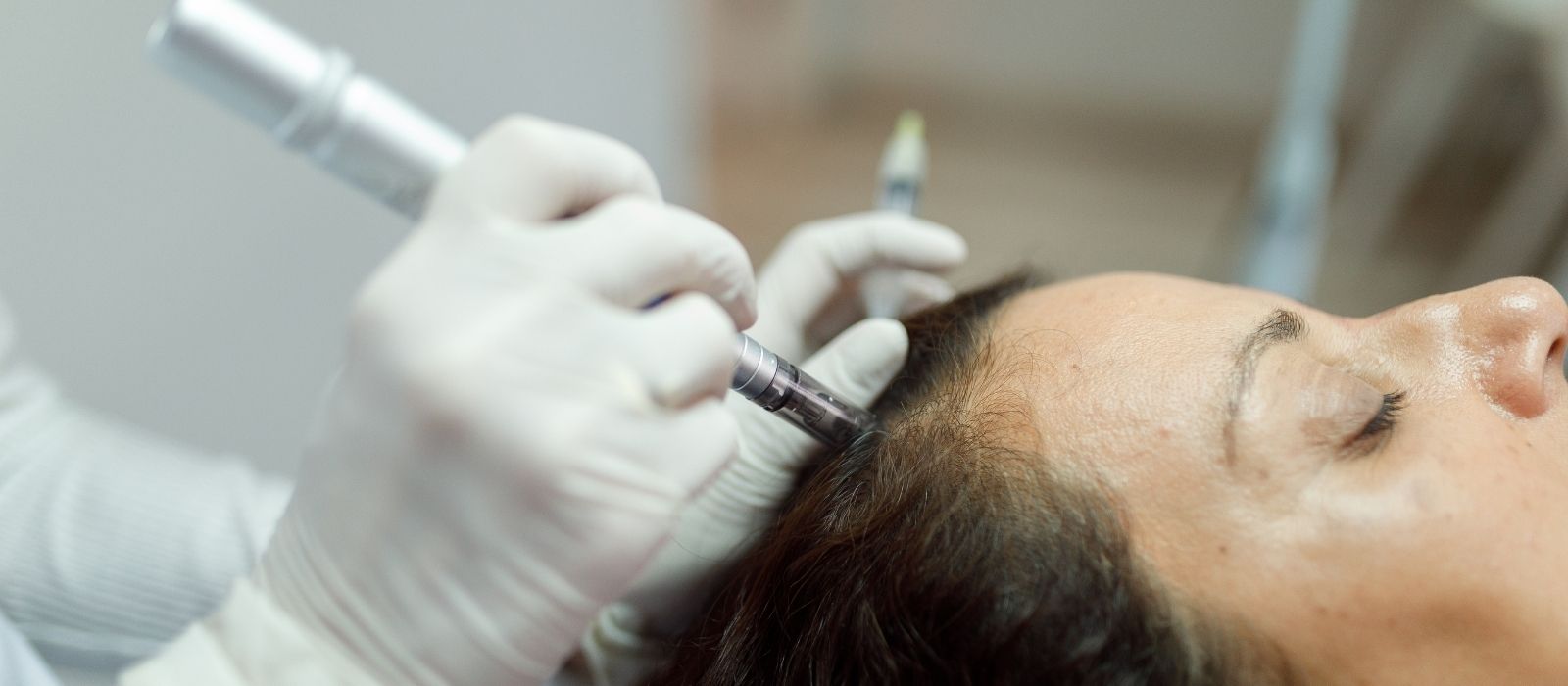
Exosomes are showing up everywhere in hair loss research. Here's what they actually are and what the science supports.
Your hair started thinning gradually, then all at once. The usual suspects didn't explain it, no major life stress, no iron deficiency, thyroid levels normal. You tried minoxidil, switched to gentler products, massaged your scalp religiously. Nothing changed the math: more hair in the drain than new growth coming in.
Now there's talk of something called exosomes. Clinics are advertising exosome treatments for hair loss. Social media influencers are raving about stem cell therapies. The language sounds impressive, but the price tags are steep, and the claims feel almost too good to be true.
Exosomes for hair growth sit at the intersection of legitimate regenerative medicine and an industry that's always chasing the next breakthrough. The science exists, but it's early. The treatments are available, but the evidence is mixed. Here's what exosomes actually are, what the current research shows, and where the gap between promise and proof still lives.
What Exosomes Actually Are
Exosomes are tiny packages that cells send to communicate with each other. Think of them as molecular mail, they carry proteins, fats, and genetic material from one cell to another, delivering instructions about what to do next.
Every cell in your body produces exosomes, but the ones getting attention for hair growth come from specific sources: stem cells, especially those from fat tissue, bone marrow, or placental tissue. These stem cell-derived exosomes carry signals that tell other cells to regenerate, reduce inflammation, or start growing again.
The theory makes sense on paper. Hair follicles that have stopped producing thick, healthy strands might respond to these regenerative signals. Exosomes could potentially wake up dormant follicles, improve blood flow to the scalp, or reduce the inflammation that contributes to hair loss.
But exosomes aren't stem cells themselves. They're the messages stem cells send. This distinction matters because it affects both how they work and how safe they are.
Where the Hair Growth Research Actually Stands
The research on exosomes for hair growth exists, but most of it is still in the lab or early clinical stages. A 2022 study published in the Journal of Cosmetic Dermatology found that exosome treatments increased hair density in participants with androgenetic alopecia over 12 weeks. The results were promising, about a 20% increase in hair count, but the study was small, just 25 people.
Another study from South Korea showed similar results, with participants seeing improved hair thickness and reduced hair loss after four months of exosome injections. But again, the sample size was limited, and there was no long-term follow-up to see if the results lasted.
The laboratory research is more extensive. Studies on mice and in petri dishes consistently show that stem cell exosomes can stimulate hair follicle cells, promote blood vessel formation around follicles, and extend the growth phase of the hair cycle. The cellular mechanisms are real.
What's missing is large-scale human trials with proper control groups and long-term tracking. Most of the current evidence comes from clinics reporting their own results, which doesn't carry the same weight as independent research.
The Gap Between Laboratory Promise and Clinical Reality
The biggest challenge with exosome treatments is standardization. Unlike prescription medications, which contain precise amounts of active ingredients, exosome preparations vary wildly between providers.
Some clinics use exosomes derived from the patient's own fat tissue. Others use lab-grown exosomes from donor stem cells. The concentration, purity, and biological activity of these preparations can differ dramatically. There's no FDA regulation specifically for exosome treatments, which means quality control is largely up to individual providers.
This variation makes it difficult to predict results. One clinic's exosome treatment might contain millions of active particles per dose, while another's might contain thousands. The source tissue, processing methods, and storage conditions all affect potency.
Cost is another reality check. Exosome treatments typically run between $3,000 and $8,000 for a series of sessions. Most insurance plans don't cover them because they're considered experimental. For many people, this puts exosome therapy in the same category as other high-end cosmetic treatments.
What the Current Evidence Actually Supports
Based on the available research, exosomes for hair growth show genuine biological activity, but the clinical evidence is still developing. The mechanism makes scientific sense, and early human studies suggest real benefits for some types of hair loss.
Exosomes appear most promising for androgenetic alopecia, the pattern hair loss that affects both men and women. This type of hair loss involves inflammation and reduced blood flow to follicles, both of which exosomes might address.
The treatment seems less likely to help with hair loss caused by autoimmune conditions like alopecia areata, or temporary hair loss from stress or nutritional deficiencies. These types of hair loss usually have different underlying causes that require different approaches.
Timeline expectations need to be realistic. Even in positive studies, participants didn't see significant changes until three to four months into treatment. Hair growth is inherently slow, and factors that affect hair growth are complex.
The safety profile appears favorable so far. Most reported side effects are mild, temporary redness or swelling at injection sites. But long-term safety data doesn't exist yet because the treatments are too new.
What's also unclear is whether benefits persist once treatments stop. Hair follicles that respond to exosome therapy might return to their previous state without ongoing stimulation. This could mean indefinite treatment for sustained results.
Frequently Asked Questions
are exosomes better than minoxidil for hair growth
There's no direct comparison study yet. Minoxidil has decades of research and FDA approval, while exosome treatments are still experimental. Minoxidil works through a different mechanism, increasing blood flow to follicles, and costs significantly less. For now, minoxidil remains the more proven option for most people.
how much do exosome hair treatments cost
Most clinics charge between $3,000 and $8,000 for a complete treatment series, usually 3-4 sessions spaced several weeks apart. Individual sessions typically cost $800 to $2,000. Insurance rarely covers these treatments since they're considered cosmetic and experimental.
can you get exosome treatments if you have autoimmune hair loss
The research on exosomes for autoimmune hair loss conditions like alopecia areata is extremely limited. Most studies have focused on androgenetic alopecia. Some practitioners offer these treatments for various types of hair loss, but the evidence base is much weaker for autoimmune conditions.
This article is for informational purposes only. It is not a substitute for professional medical advice, diagnosis, or treatment. Always consult a qualified healthcare provider before making changes to your health routine.