Walking changes your cortisol, insulin, estrogen, and growth hormone levels within hours. Here's what actually happens to your hormones when you walk and why timing matters.
You walk for fifteen minutes after dinner. Your blood sugar rises less than it would have if you'd stayed on the sofa. If you walked somewhere green, your saliva cortisol likely dipped a little too.
That's the honest version of what walking does to your hormones. The effects are modest, but they hold up.
What Happens to Cortisol When You Walk
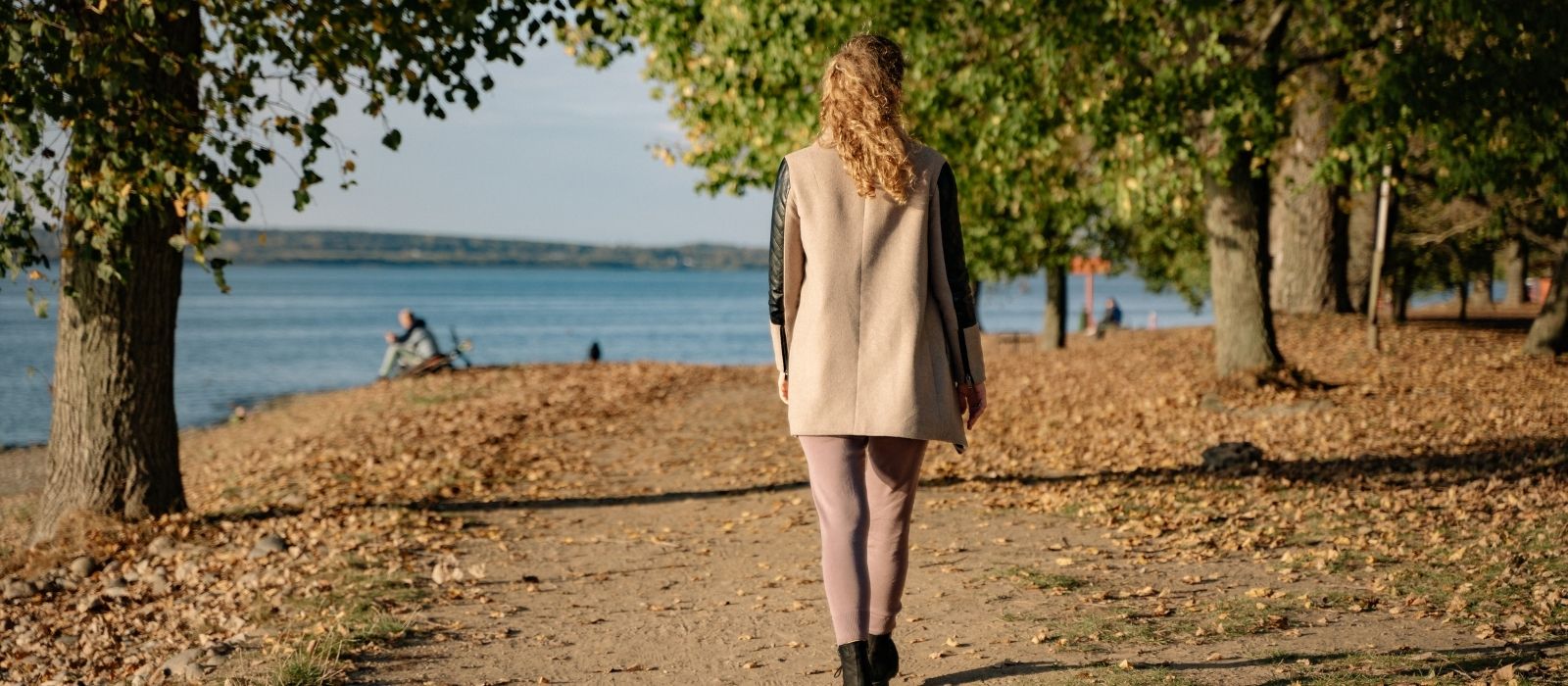
The best-known study here is a 2019 University of Michigan study of 36 city dwellers, and it was about time in nature rather than walking. Participants spent at least 10 minutes outdoors somewhere green, sitting, walking or both, three times a week. Cortisol fell about 21% an hour beyond its normal daily decline, and sitting versus walking made no difference.
That's a useful finding, but it measured short-term changes in saliva. It doesn't show that walking fixes long-term high cortisol, which is a medical problem that needs testing.
Walking for cortisol reduction also appeals because it's gentle. Hard exercise raises cortisol for a while afterwards, while easy walking asks much less of your body, so you can repeat it daily.
How Walking Changes Insulin and Blood Sugar
This is where the evidence for walking is strongest. In a 2013 trial of 10 inactive adults over 60 at risk of impaired glucose tolerance (prediabetes), three 15-minute walks, each starting half an hour after a meal, lowered 24-hour blood sugar about as well as one 45-minute morning walk. After dinner, the short walks did better than either longer walk.
It was a tiny study of older adults, so treat it as a promising sign rather than proof. Regular walking is still a sensible habit if you're dealing with PCOS, prediabetes or other blood sugar problems, alongside whatever your doctor recommends.
Post-meal walks make sense because working muscles pull glucose out of your blood. You're not trying to exhaust yourself, just giving your body something to do with the meal you ate.
Walking's Effect on Sex Hormones
There's little evidence that walking changes estrogen in a meaningful way or steadies it across your cycle.
Walking can still help during perimenopause, through sleep, mood and blood sugar rather than estrogen. Very hard training combined with too little food can disrupt periods, but that's about an energy shortfall, and walking rarely causes it.
Growth Hormone and Walking
Exercise does raise growth hormone, and harder effort raises it more.
Growth hormone helps maintain muscle and release stored fat, but a gentle walk is unlikely to move it much. If muscle is your goal, add strength training.
Why Walking Works Better Than Intense Exercise for Some Women
High-intensity exercise is a short-term stressor: cortisol and adrenaline rise, then fall as you recover. For most people that's healthy. If you're already short on sleep, under-eating or dealing with cycle irregularities, piling on hard sessions may not help.
Walking needs little recovery, so you can do it every day. That's its real advantage: it's the exercise most people keep doing.
The WHO recommends at least 150 minutes of moderate activity a week for adults, and brisk walking counts toward it. For more on targets, see how much walking you need for health.
FAQ
How long does it take for walking to affect hormones
Some effects are quick. Blood sugar after a meal is lower if you walk soon after eating, and in one study cortisol fell during 20 to 30 minutes in a natural setting. How long these effects last hasn't been well studied.
Does walking on treadmill affect hormones same as outdoor walking
For blood sugar, a treadmill works fine, and the post-meal walking study used one. For cortisol, the studies looked at time in green spaces, so an indoor treadmill may not give the same effect.
Can too much walking mess up your hormones
Rarely. Problems tend to come from a lot of exercise combined with too little food, which can disrupt periods. If your periods stop or become irregular, see your doctor.
This article is for informational purposes only. It is not a substitute for professional medical advice, diagnosis, or treatment. Always consult a qualified healthcare provider before making changes to your health routine.