Early perimenopause signs include irregular periods, sleep disruption, mood changes, and hot flashes. Learn evidence-based management strategies that actually work.
Your period shows up three days early. The next one is 10 days late. You wake at 3 AM soaked in sweat and can't get back to sleep, and lately you cry at commercials.
You'd probably blame stress, or your thyroid, and both are worth ruling out. But if you're in your 40s, there's another explanation that often gets missed: perimenopause, the years of change before your periods stop for good. Its early signs aren't always the ones people expect.
The usual early signs are changes to your cycle, broken sleep, mood shifts and, for many women, hot flashes or night sweats. They happen because your ovaries start releasing estrogen and progesterone less predictably, and those swings reach well beyond your reproductive system.
When Perimenopause Actually Starts
On average, perimenopause begins in your mid- to late 40s and lasts between two and eight years, according to the US Office on Women's Health. The average age of menopause in the US is 52. Some women notice changes earlier than that.
Symptoms can outlast the transition itself. The NHS says they usually last 7 to 9 years, sometimes longer. In the SWAN study, which enrolled more than 3,000 US women at midlife, frequent hot flashes lasted a median of 7.4 years, and 10.1 years for Black women.
Your ovaries don't switch off in one go. Some cycles your estrogen is close to normal, others it's much lower. That's why symptoms come and go, and why perimenopause is hard to pin down early.
Early Signs of Perimenopause
A change in your periods is usually the first thing you notice. Your cycle might shorten from 28 days to 24, or stretch past 35. You might skip a month, then have two periods close together.
The flow can get heavier or lighter too. All of this comes back to ovulation becoming less predictable.
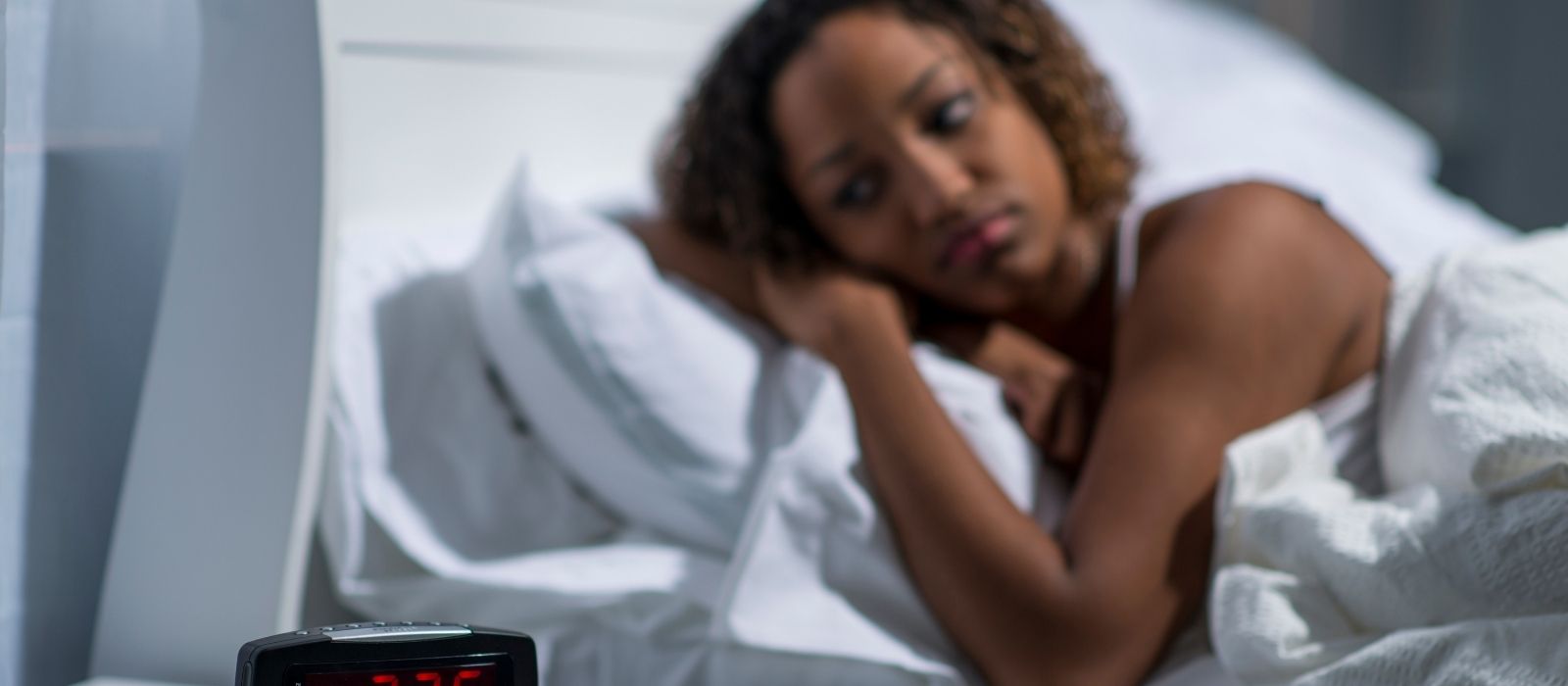
Sleep often goes early. You might fall asleep fine, then find yourself wide awake between 2 and 4 AM. Night sweats make it worse.
Mood is the sign people least expect. You might feel more irritable, anxious or quick to tears than usual. That isn't a character flaw or proof you've stopped coping: low mood and anxiety are recognised perimenopause symptoms, and hormone swings are part of the reason.
Physical Changes You Might Notice
Your shape can change even if the scales don't. Many women find fat settles more around the middle in midlife, and the eating and exercise habits that kept your weight steady at 35 may not do it now.
Skin and hair changes catch a lot of women off guard. Breakouts can come back, skin can turn dry and itchy, and hair can thin.
Muscle aches and joint pain are common too, and they're often worst first thing in the morning.
What Actually Helps
Exercise matters more now, not less. Strength training and cardio help steady your mood and improve your sleep.
If you're not exercising at all, a 20 to 30 minute walk most days is an easy start. It helps with stress, and stress makes almost every other symptom here harder to live with.
Protect your sleep. Keep the bedroom cool, around 65 to 68°F, and skip caffeine after 2 PM. Go easy on evening alcohol, which disrupts sleep that's already fragile. Simple breathing techniques before bed can help you settle.
Eat protein at every meal. It helps you hold on to muscle and keeps your energy steadier than a mostly-carb plate. Cutting back on refined sugar and heavily processed food can ease the energy crashes and mood dips.
Some women find magnesium helps them sleep, and omega-3s are popular too, though neither is a proven perimenopause treatment. Check with your doctor or pharmacist before starting a supplement, especially if you take other medication.
When to See a Doctor
Don't wait until you're struggling. If irregular periods, poor sleep or mood changes are getting in the way of daily life, book an appointment. Go sooner if your periods are getting heavier rather than lighter, or if you have any bleeding after 12 months without a period.
You may not need a blood test. Hormone levels swing so much in perimenopause that one result can mislead, and UK guidance from NICE says otherwise healthy women over 45 can be diagnosed from symptoms and cycle changes alone.
Hormone therapy is the most effective treatment for hot flashes and night sweats. The Menopause Society's 2022 position statement says the benefits generally outweigh the risks for women under 60 or within 10 years of menopause who have no reason to avoid it. Whether it suits you depends on your own health history, so talk it through with your doctor.
FAQ
Can you get pregnant during perimenopause?
Yes. Ovulation becomes unpredictable, not absent, so you can still get pregnant with irregular periods. The Menopause Society advises using birth control until a full year after your last period if you don't want to conceive.
How early can perimenopause start?
Most women notice it in their 40s. Smoking is linked to an earlier menopause, and some cancer treatments and autoimmune conditions can bring it on sooner. If your periods stop before 40, see your doctor.
Do all women experience perimenopause symptoms?
Not to the same degree. Some women notice little beyond changes to their periods, while others have years of hot flashes, broken sleep and mood changes.
This article is for informational purposes only. It is not a substitute for professional medical advice, diagnosis, or treatment. Always consult a qualified healthcare provider before making changes to your health routine.