Rosemary oil has one solid study comparing it to minoxidil. Here's what it actually found, how to use it correctly, and what results are realistic.
Your TikTok feed is full of before-and-after shots: women massaging rosemary oil into their scalps and claiming dramatic growth in weeks. The comments overflow with stories about thicker ponytails and filled-in hairlines.
Behind the hype sits one randomized trial of 100 people from 2015 that compared rosemary oil with minoxidil, the standard drugstore treatment for pattern hair loss. The results were encouraging, but they're a long way from the miracle on your screen.
The study, by Panahi and colleagues in the journal SKINmed, followed 100 adults with androgenetic alopecia for six months. Half used rosemary oil and half used 2% minoxidil.
By month six, both groups had more hair than at the start, with no real difference between them. The rosemary group had less scalp itching.
The Science Behind Rosemary Oil Hair Benefits
Rosemary contains antioxidant compounds, including rosmarinic acid and carnosic acid. One theory is that they calm inflammation and improve conditions around the follicle. Nobody has shown that's what happens on a human scalp, so treat it as a working idea.
A 2013 study in mice and lab tests found rosemary leaf extract blocked 5-alpha-reductase, the enzyme that turns testosterone into DHT. DHT shrinks follicles in pattern hair loss, so blocking it could, in theory, slow the thinning. That hasn't been confirmed in people.
There's also a gap between the trial and your bathroom shelf. The published summary doesn't spell out the exact rosemary formula, so no home mix or store-bought oil can claim to match it.
Rosemary Oil vs Minoxidil, What the Numbers Actually Show
At three months, neither group's hair count had changed. At six months, both had increased, and the difference between rosemary and 2% minoxidil wasn't statistically significant.
Itching went up in both groups, but more people on minoxidil had it. That matters, because itching is one of the reasons people quit minoxidil, and a hair treatment only works while you keep using it.
The trial also had clear limits. It compared rosemary only with 2% minoxidil, not the 5% strength, and it doesn't report any results for women. One small study can't tell you how rosemary works for female pattern thinning or more advanced hair loss.
How to Use Rosemary Oil for Hair Growth Correctly
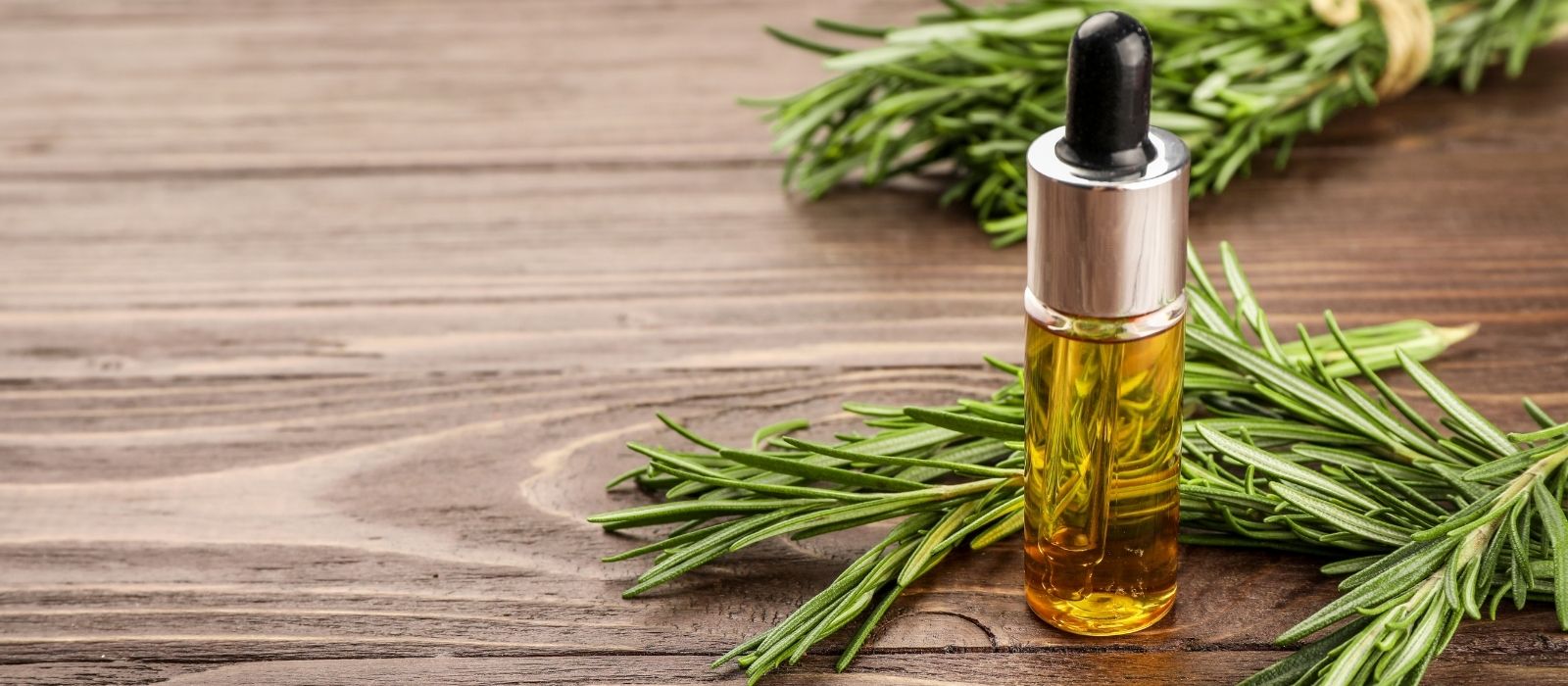
Rosemary essential oil is concentrated, so mix a few drops into a carrier oil such as jojoba, argan or fractionated coconut oil before it touches your skin.
Apply the mix to your scalp, not the lengths, and massage it in for a couple of minutes. Leaving it on for half an hour works, and so does overnight if your skin is fine with it. A consistent scalp care routine beats sporadic treatments.
Start with two or three applications a week. Daily use can irritate a sensitive scalp, especially if you're also using other actives. If you're building a complete hair care routine, add rosemary on its own first so you can tell what's causing any reaction.
Never put undiluted essential oil on your skin; it can cause irritation and burns, especially on broken or sensitive patches. If you're pregnant or breastfeeding, ask your doctor before using concentrated essential oils.
What Results Are Actually Realistic
Think in months, not weeks. In the trial, nothing measurable happened at three months, and the gains showed up by six. Hair growth treatments need that patience because follicles move through their growth phases on their own schedule.
Rosemary oil won't bring back hair where follicles have stopped working. If it helps at all, it's most likely to help early thinning. If your hair loss is sudden or patchy, see a dermatologist before trying anything at home.
Its real advantage over minoxidil in the trial was less itching. Minoxidil has to be used every day, and the American Academy of Dermatology notes that hair gained on it gradually sheds once you stop. Rosemary hasn't been studied nearly as well, so nobody knows what happens when you stop using it.
Frequently Asked Questions
Does rosemary oil actually work for hair growth?
One randomized trial of 100 people found rosemary oil matched 2% minoxidil for hair count after six months. It was a single, small study in androgenetic alopecia that doesn't report results for women, so treat it as promising rather than proven.
How long does it take to see results from rosemary oil?
In the trial, neither rosemary oil nor minoxidil changed hair count at three months, and both groups improved by six. Give it at least six months of steady use, a few times a week, before you judge it.
Can I use rosemary oil with other hair growth treatments?
Yes, rosemary oil can sit alongside other scalp treatments, but introduce new products one at a time. Start with rosemary oil alone for a few weeks before adding other actives, so you'll know what caused any irritation.
This article is for informational purposes only. It is not a substitute for professional medical advice, diagnosis, or treatment. Always consult a qualified healthcare provider before making changes to your health routine.