Learn which acne scar treatments actually work. From professional procedures to at-home options, here's what dermatologists recommend for real results.
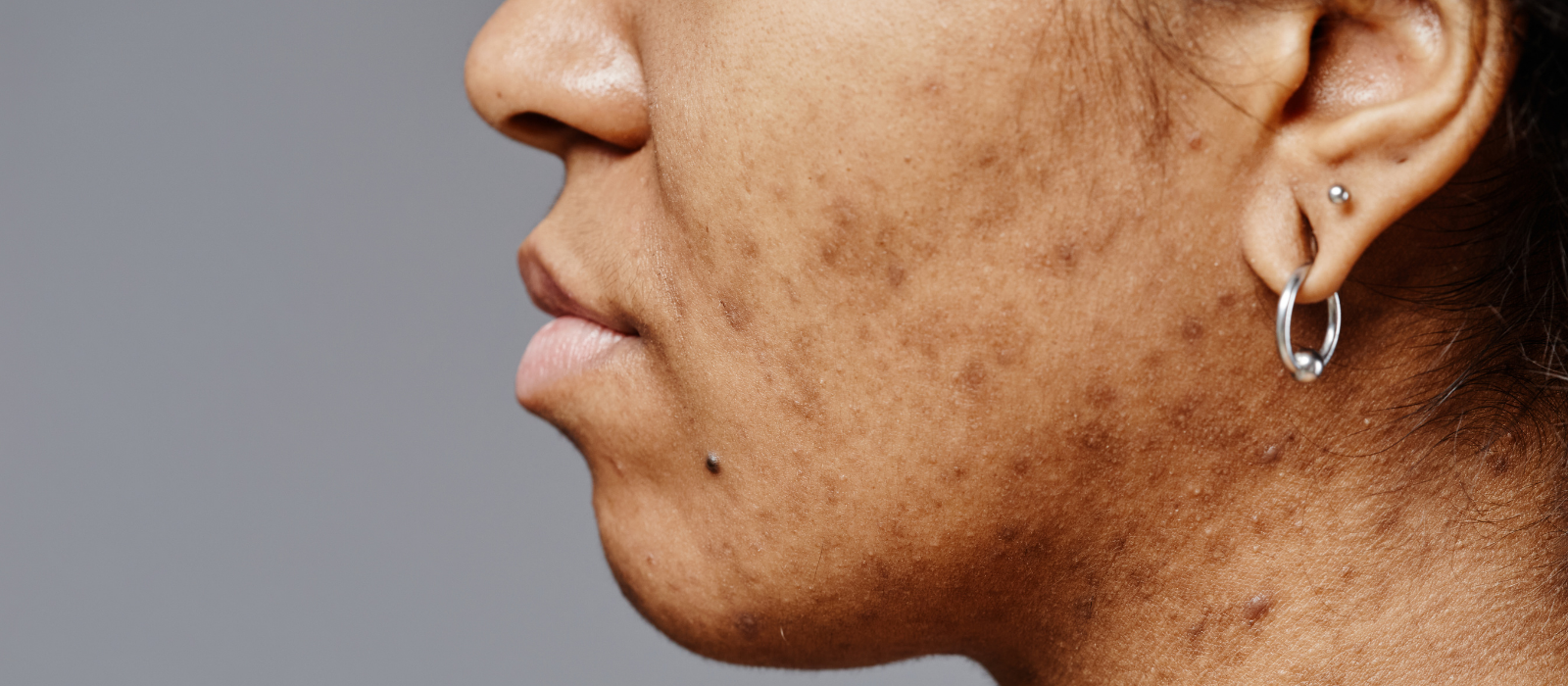
Your acne cleared months ago, but the dents and marks haven't. You've tried the creams and serums that promised to fade them. Some helped a little. Most did nothing.
Here's the honest version: sunken acne scars usually need a dermatologist to look noticeably better, and even then the aim is less visible, not gone. The American Academy of Dermatology's guide to acne scar treatment describes the goal as making scars less noticeable. Creams can help mild texture and dark marks, but they can't rebuild a dent that sits deep in the skin.
Which treatment makes sense depends on the kind of scar you have, so start there.
Know Your Acne Scar Type First
Most acne scars are sunken, and dermatologists sort them by shape. Ice pick scars are narrow and deep. Boxcar scars are wider, with sharp edges. Rolling scars are broad, shallow dips that make skin look wavy, and a 2018 review of acne scarring estimates ice pick scars make up 60 to 70% of sunken scars.
The shape matters because each type answers to different tools. Ice pick scars are too narrow and deep for peels or creams to reach. Boxcar scars tend to respond to resurfacing, such as laser or dermabrasion. Rolling scars are pulled down by fibrous bands underneath, which is exactly what subcision cuts.
Flat brown or purple spots left after a breakout aren't scars at all. They're post-inflammatory hyperpigmentation, and they fade on their own, though it can take a year or longer. They also respond to different treatment, including retinoids and vitamin C.
Professional Treatments for Acne Scars
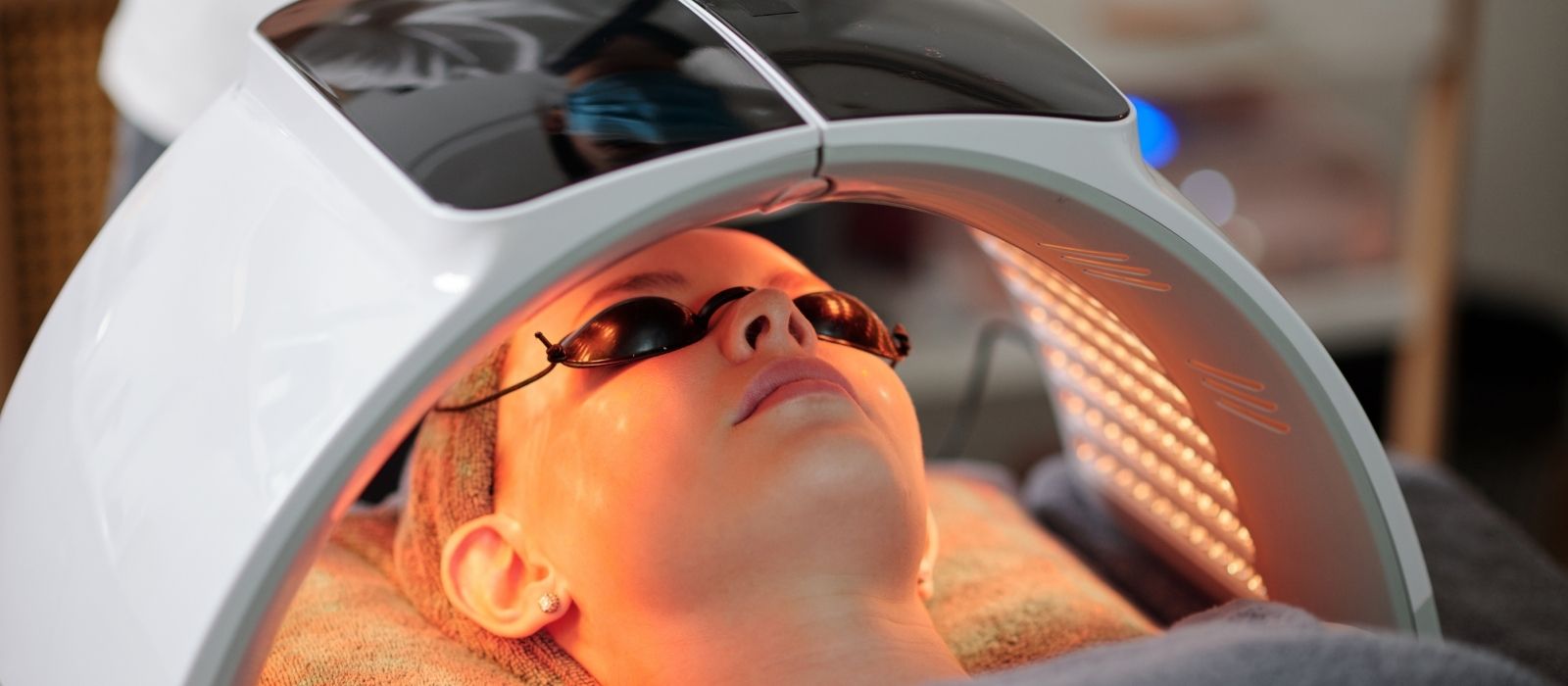
Laser resurfacing removes or heats damaged layers of skin so it rebuilds with new collagen. Fractional CO2 lasers make a grid of tiny controlled wounds, and results build over the months it takes skin to heal. Expect real downtime, and expect to pay yourself, since insurance doesn't cover scar treatment. On darker skin, lasers carry a higher risk of new dark or light patches, so pick a dermatologist who treats skin of color often.
Chemical peels use acid to remove skin in a controlled way. Mild glycolic or salicylic acid peels help with uneven tone and light texture. Stronger peels such as trichloroacetic acid (TCA) go deeper and need a professional and careful aftercare. Mild and medium peels usually take 3 to 5 sessions, 2 to 4 weeks apart.
Microneedling makes tiny punctures that prompt new collagen without removing the top layer of skin. Dermatologists often pair it with radiofrequency, a peel or platelet-rich plasma, and the AAD says radiofrequency microneedling is safe for all skin tones. It's gentler than laser, but you'll need several sessions.
Subcision is the treatment for rolling scars. A dermatologist slides a small needle under the scar and cuts the bands tethering it down, so the skin can lift. It's often combined with filler, which raises the dip straight away.
At-Home Options That Actually Help
For mild scarring, the AAD says a retinoid or salicylic acid used at home may help. Prescription tretinoin speeds up cell turnover and, over months, can smooth texture and fade marks, though it won't fill deep scars. Start low, such as 0.025% a few nights a week. As a precaution, topical retinoids shouldn't be used during pregnancy, so don't use them if you're pregnant or trying to be.
Vitamin C serums with L-ascorbic acid, often at 15 to 20%, are more useful for dark marks than for dents. Formulas that add vitamin E and ferulic acid tend to stay stable longer.
Home microneedling rollers use much shorter needles than in-clinic devices. They can support professional treatment but won't replace it for real scarring. Use one no more than once a week and clean it properly every time.
What Doesn't Work, Despite the Marketing
Silicone gels and sheets are mainly used on raised scars. They aren't designed for sunken acne scars and do little for dark marks.
Cheap dermarollers can have poor-quality needles that tear skin instead of puncturing it cleanly.
DIY treatments with lemon juice, baking soda or honey can't rebuild collagen. Some irritate skin enough to make dark marks worse, especially on darker skin tones.
If deep scars bother you, see a dermatologist, and get your acne under control first. New breakouts mean new scars, so the AAD advises treating active acne before treating old scars. Tell your dermatologist about any acne medicine you've used in the past two years, since some can cause problems alongside scar procedures.
Frequently Asked Questions
How Long Does It Take to See Results from Acne Scar Treatment?
It depends on the treatment. Most procedures are done as a series, such as 3 to 5 mild or medium peels spaced 2 to 4 weeks apart, and laser results keep improving while new collagen forms. Topical retinoids work slowly, so give them several months before you judge them.
Can Acne Scars Be Completely Removed?
Rarely. Treatment can make sunken scars much less noticeable, but true acne scars can fade and still not disappear. Deep ice pick and boxcar scars are the hardest to shift. Flat dark marks aren't true scars and usually fade fully with time.
What Causes Some People to Scar More Than Others?
Deep, inflamed breakouts such as nodules and cysts are the most likely to scar, and picking or squeezing spots raises the risk. Genes matter too: having a close blood relative with acne scars makes you more likely to scar. Raised scars are more common in darker skin, which is also more prone to dark marks after hormonal acne and other breakouts.
This article is for informational purposes only. It is not a substitute for professional medical advice, diagnosis, or treatment. Always consult a qualified healthcare provider before making changes to your health routine.