Learn what causes hormonal acne on your chin and jawline, plus proven treatments that actually work. Get clear skin with targeted solutions for adult breakouts.
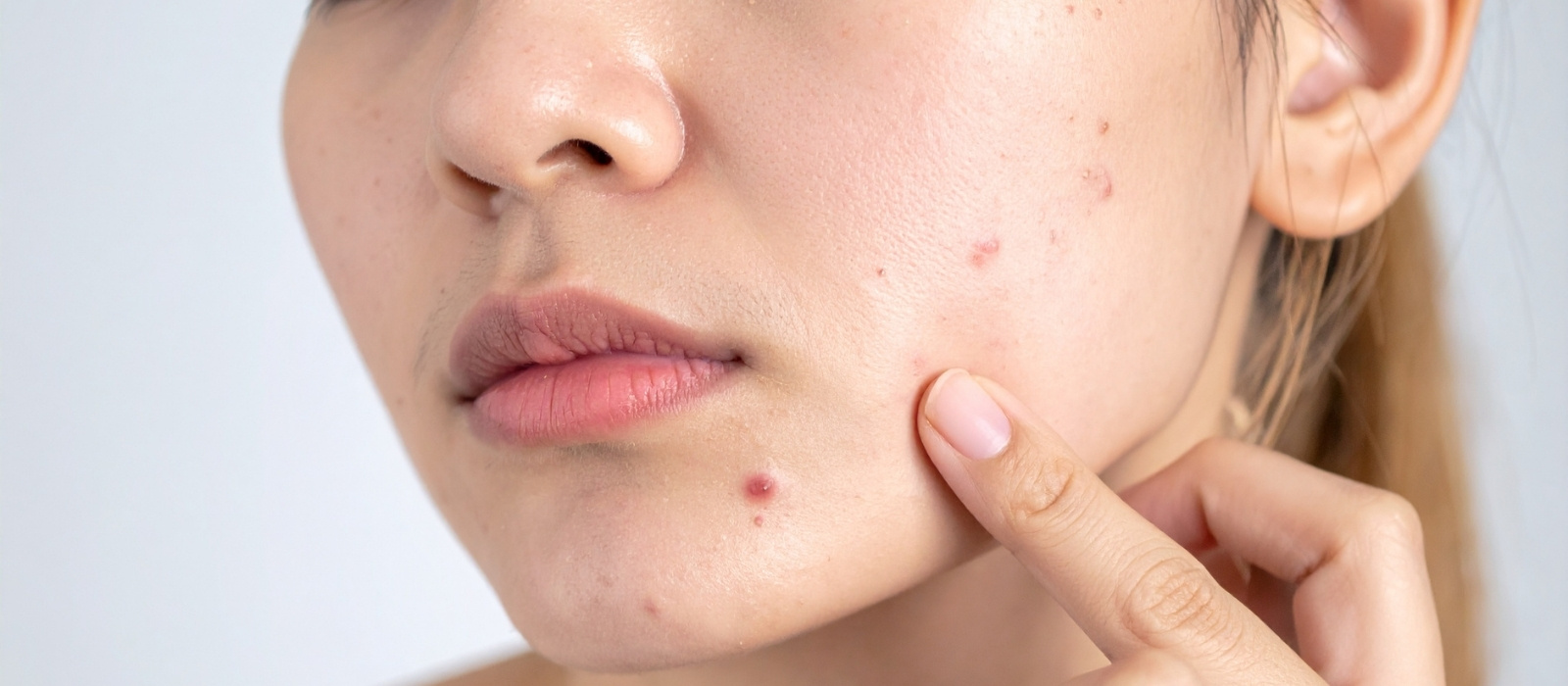
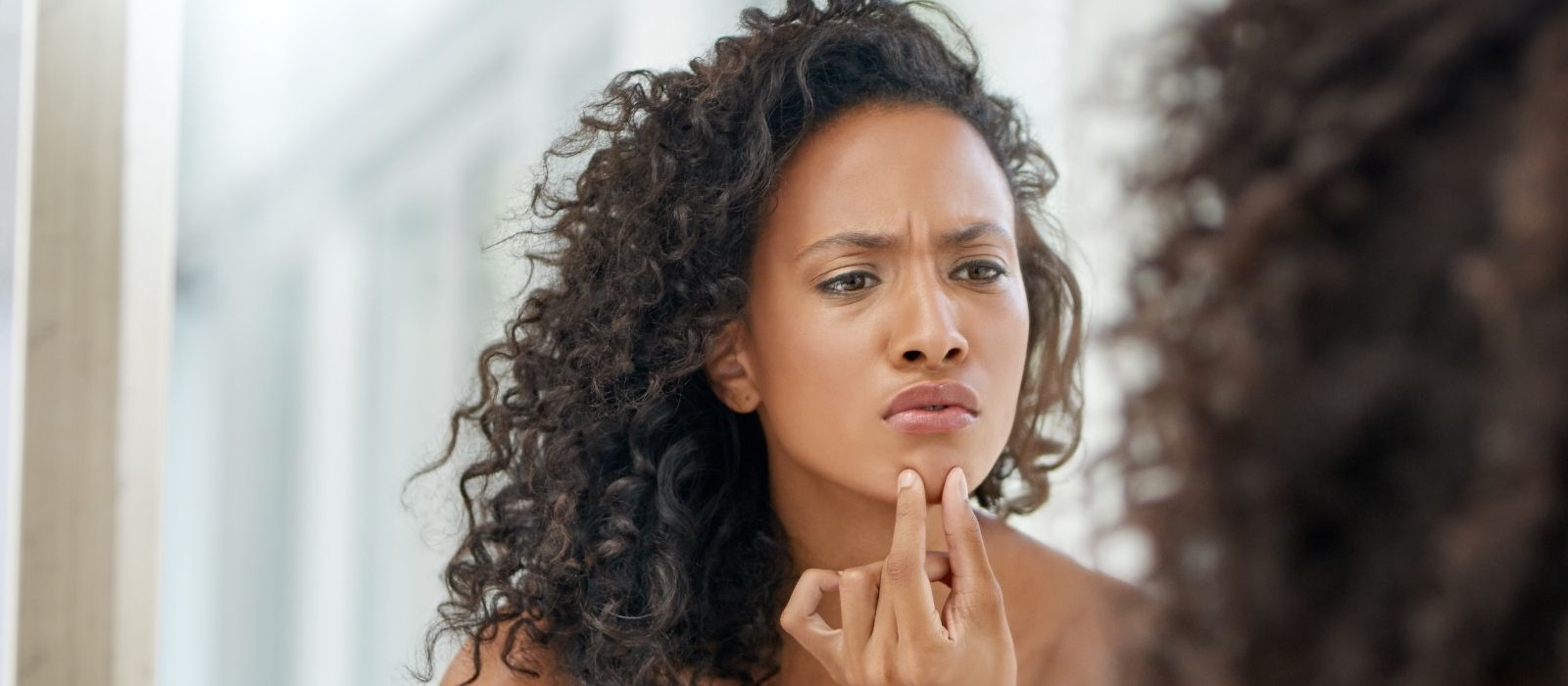
You wake up with a cluster of deep, sore bumps along your jawline. They aren't whiteheads you can pop or blackheads you can extract. They hurt when you talk or rest your chin on your hand, and they turned up right before your period, the way they did last month.
This is what most people mean by hormonal acne. It tends to sit on the chin, jaw and neck, it flares at certain points in your cycle, and it shrugs off the face wash that cleared your skin at 16.
It does respond to treatment, just not always to the treatments you used as a teenager.
What Actually Causes Hormonal Acne
Androgens are hormones women make too, in smaller amounts than men, and they drive oil production in your sebaceous glands. Oil and dead skin cells clog a pore, bacteria multiply inside it, and inflammation follows. That's how every kind of acne forms. Hormones change how much oil you're working with.
Hormone levels shift across your menstrual cycle, and for many women breakouts shift with them. In a 2014 survey of 105 women with acne, 65% said their skin got worse around their period.
Your cycle isn't the only trigger. PCOS raises androgen levels, and acne is one of its common signs. Some birth control pills contain progestins with androgenic effects. Many people also notice flares in stressful weeks.
Insulin resistance is linked with higher androgens too, which is one reason diet changes can help clear hormonal acne for some people.
Why Hormonal Acne Is Different From Regular Acne
Hormonal breakouts are often deep, tender bumps rather than surface whiteheads and blackheads. They sit low in the skin and can take weeks to come to a head, if they ever do. That depth is why they hurt.
Location is the clue most people go by. Acne in adult women is often described as clustering on the lower face, jaw and neck rather than the forehead and nose, though plenty of women don't fit that map.
Timing is a better tell. If your breakouts arrive predictably before your period, or after you started or switched birth control, hormones are likely part of the picture.
Treatments That Actually Work for Hormonal Acne
Topical treatments still matter. The American Academy of Dermatology's 2024 acne guidelines, based on a systematic review, give strong recommendations to benzoyl peroxide and topical retinoids.
Retinoids work well for hormonal acne because they stop dead skin cells clogging pores. Benzoyl peroxide kills acne bacteria. Salicylic acid can help unclog pores, though the evidence for it is weaker.
For many women, the bigger change comes from treating the hormonal side. Spironolactone is an older blood pressure medicine that blocks androgens, and dermatologists prescribe it off-label for acne. In a 2023 trial of 410 women in England and Wales, those taking it rated their skin clearly better than the placebo group at 24 weeks, with a smaller difference at 12. You'll need a prescription, and it isn't safe in pregnancy, so your doctor will talk you through contraception.
Combined birth control pills can help too, and the AAD guidelines list them as an option. Pills containing drospirenone, or cyproterone acetate where it's available, have anti-androgenic effects. If your skin got worse after starting a pill, ask your doctor about the progestin in it, because some are more androgenic than others.
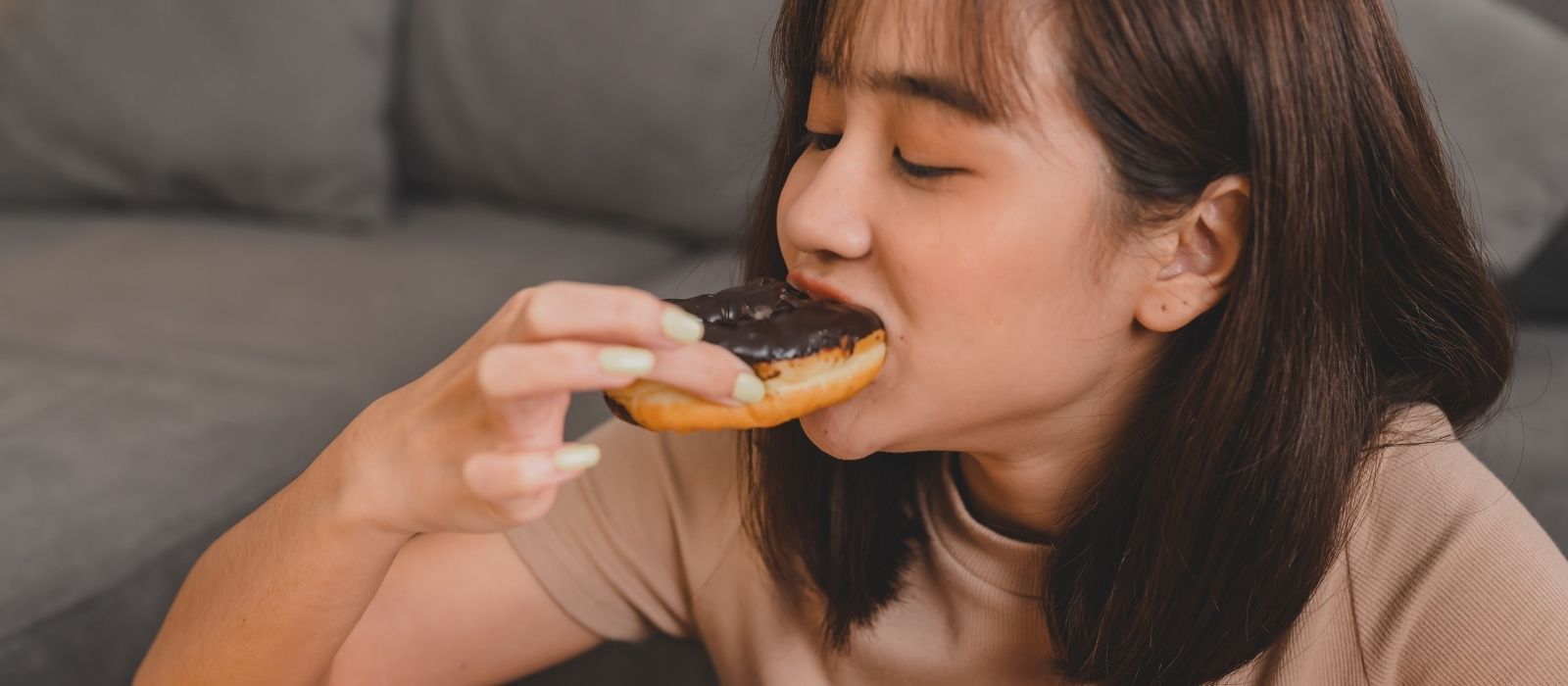
Diet is a smaller lever. Cutting back on refined carbs and dairy helps some people, but it isn't a cure. Focus on foods that stabilize blood sugar instead of dropping whole food groups.
Managing stress helps too, even if sleep and exercise won't clear acne on their own.
What to Avoid When Treating Hormonal Acne
Don't over-treat your skin. Hormonal acne is already inflamed, and harsh scrubs or a pile of active ingredients will make it worse. Stick to gentle cleansing and one or two targeted treatments.
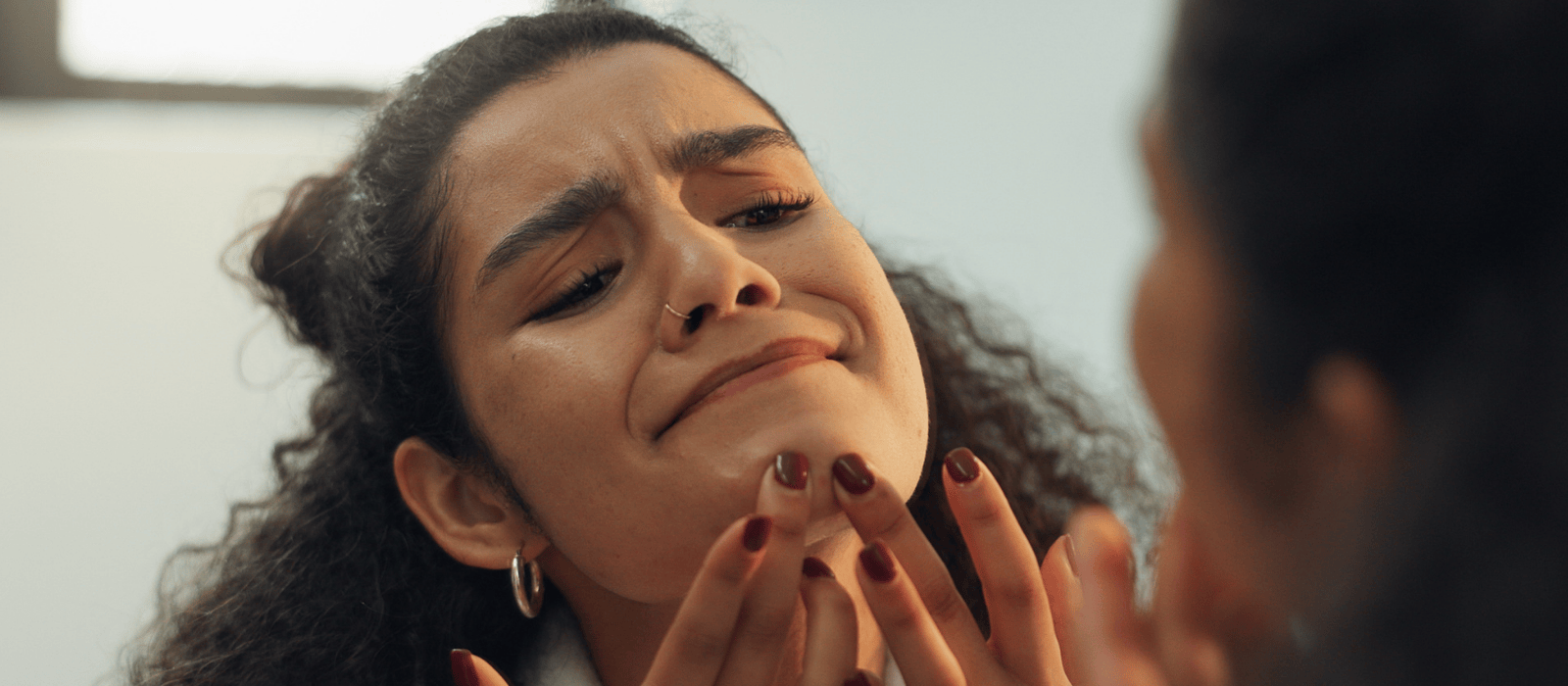
Don't pick at deep cysts. They have no opening at the surface, so there's nothing to pop, and squeezing can push the inflammation deeper and leave a scar.
Don't expect overnight results. The AAD says a topical product needs 6 to 8 weeks before you judge it, and hormonal treatments take longer. In the spironolactone trial, the clearer benefit showed up at six months rather than three. Track your skin changes with your cycle to see whether a treatment is working.
FAQ
Why do I only get acne on my chin and jawline?
Nobody has pinned down exactly why. Adult acne in women is often described as sitting on the lower face, even though oil glands are densest on the forehead and nose. In one survey of 105 women, breakouts that flared around periods didn't land anywhere different from breakouts that didn't.
Can hormonal acne go away on its own?
Acne that starts in puberty often settles in your 20s, but adult acne can hang around for years, and it usually responds better to treatment than to waiting. Some women find it eases after menopause, which is a long time to wait.
How long does it take for hormonal acne treatments to work?
Topical treatments usually take 4 to 8 weeks to make a visible difference. Hormonal treatments like spironolactone or the pill can take three to six months, because they work on the signals reaching your oil glands rather than on spots that are already there.
This article is for informational purposes only. It is not a substitute for professional medical advice, diagnosis, or treatment. Always consult a qualified healthcare provider before making changes to your health routine.