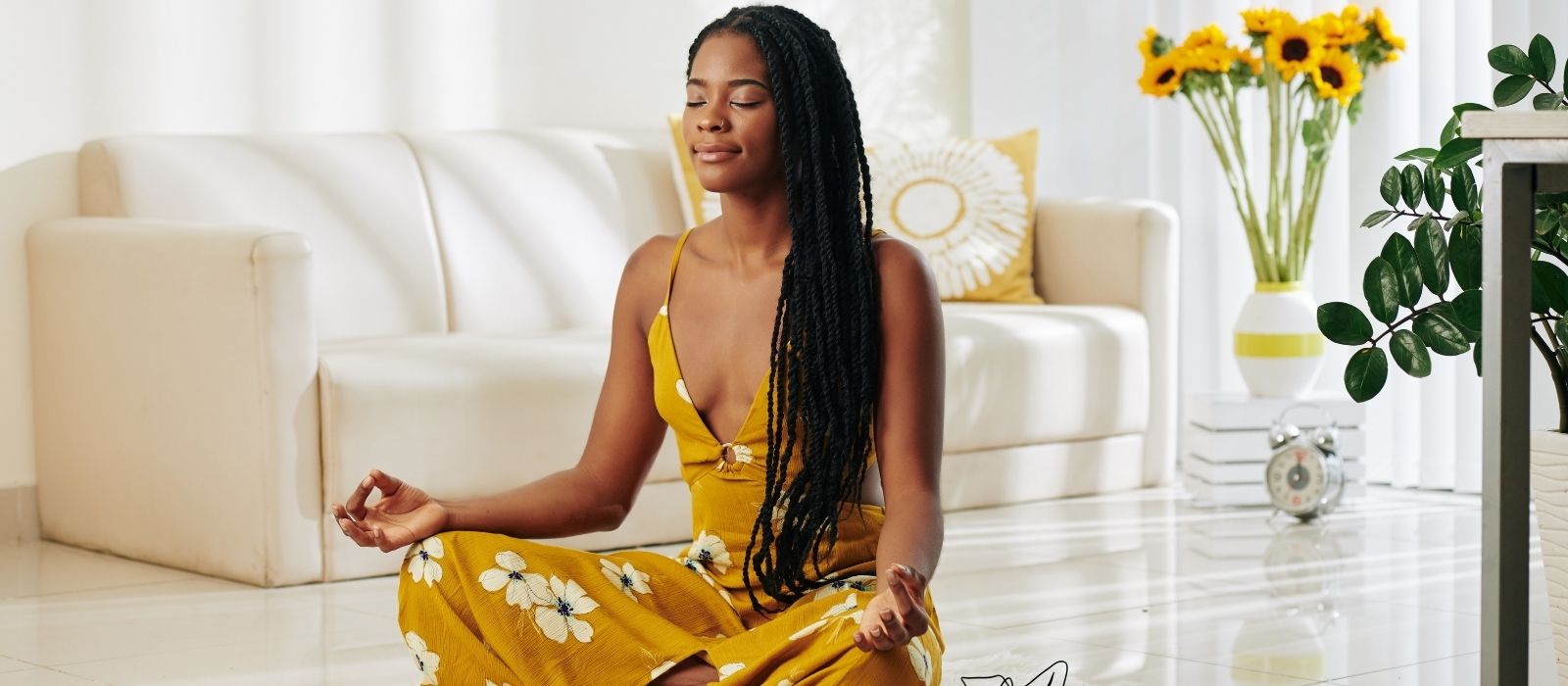
Most people who can't meditate are trying the wrong type. Here's what meditation actually does and what alternatives work if sitting still isn't for you.
You close your eyes, sit on a cushion, and try to empty your mind. Thirty seconds later you're thinking about groceries, that awkward conversation from Tuesday, and whether your leg is falling asleep. You open your eyes feeling like you failed at something that's supposed to be good for you.
Here's the problem: what most people call meditation is just one specific technique called focused attention. It's like assuming all exercise means running on a treadmill. If you hate treadmills, you don't hate exercise — you just need to find what works for your body and temperament.
The research on meditation isn't actually about sitting still with your eyes closed. It's about training attention and awareness. That training can happen while walking, moving, or even with your eyes open. The brain changes are the same regardless of which method gets you there.
What Meditation Actually Does in Your Brain
Meditation changes two key brain networks that affect how you handle stress and attention. The default mode network becomes less active, which means less rumination and self-criticism. The attention networks get stronger, which makes it easier to focus and stay present. A study from Harvard found these changes start showing up after eight weeks of regular practice, regardless of which type of meditation people used.
The key word is regular. Twenty minutes once a week won't do anything. Five minutes daily beats hour-long sessions you skip. Your brain needs consistent repetition to build new neural pathways, just like learning piano or a new language.
Why Sitting Still Doesn't Work for Everyone
Some people have nervous systems that need movement to settle down. If you're naturally anxious, have ADHD, or deal with trauma, forcing yourself to sit motionless can actually increase agitation. Your body interprets stillness as a threat instead of relaxation.
There's also the issue of cultural fit. Traditional meditation comes from cultures where sitting cross-legged for extended periods was normal daily practice. If you've spent decades in chairs and cars, your hip flexors and back aren't built for floor sitting. Physical discomfort derails mental focus every time.
Walking Meditation That Actually Works
Pick a route you can walk for 10-15 minutes without traffic interruptions. Walk slower than normal — about half your usual pace. Focus on the physical sensations: feet touching ground, weight shifting, arms swinging. When your mind wanders to planning or worrying, bring attention back to the walking.
This isn't a mindful stroll where you notice pretty flowers. It's attention training with movement. The goal is catching yourself when thoughts pull you away from the physical experience of walking. Nervous system regulation often works better with gentle movement than forced stillness.
Body Scan for Restless Minds
Lie down and systematically notice each part of your body, starting with your toes and moving up to your head. Don't try to relax anything. Just notice what's there — tension, warmth, numbness, whatever. This gives your racing mind something concrete to focus on instead of trying to think about nothing.
Body scans work well for people who hate traditional meditation because there's always something happening in your body. Your attention has a clear target. It also works if you fall asleep, which sitting meditation doesn't. Sleep during body scan still counts as practice.
Open Monitoring Instead of Focus
Instead of concentrating on one thing like breath or a mantra, open monitoring means noticing whatever shows up in your awareness without trying to change it. Thoughts, sounds, physical sensations, emotions — you observe them like clouds passing through sky. This technique often works better for people whose minds resist being corralled into single-point focus.
Start with five-minute sessions. Sit comfortably with eyes open or closed. When you notice your attention got caught up in thinking, just label it 'thinking' and return to open awareness. You're not trying to stop thoughts. You're practicing the skill of noticing when you get lost in them. This builds the same attention and awareness skills as focused meditation, but through a different pathway that suits certain temperaments better.
The point isn't to become a person who can sit still for an hour. It's to train your brain to be less reactive and more present in daily life. Morning rituals that ground you often work better than formal meditation sessions for building this capacity consistently.
Can I meditate if I have ADHD or anxiety?
Yes, but you'll likely need movement-based or shorter practices. Walking meditation, body scans, or even cleaning with full attention can work better than sitting still. Start with 3-5 minute sessions.
How long before meditation actually helps with stress?
Most people notice changes in stress response after 2-3 weeks of daily practice. Brain imaging studies show structural changes after 8 weeks. Consistency matters more than session length for building these benefits.
What if I fall asleep during meditation?
Falling asleep during body scans or lying-down practices still provides benefits. Your nervous system is relaxing, which is part of what meditation does. If staying awake matters, try walking meditation or sitting in a chair instead of lying down.
This article is for informational purposes only. It is not a substitute for professional medical advice, diagnosis, or treatment. Always consult a qualified healthcare provider before making changes to your health routine.