Everyone's talking about the lymphatic system. Here's what it actually does, when it matters, and what helps.
Your lymphatic system is vital to your immunity and crucial for reducing puffiness. It's also completely overrated as a wellness fix-all.
Both things are true. Your lymph nodes filter toxins, dead cells, and bacteria from your tissues every single day. When they're working well, you fight off infections faster and wake up with less facial swelling. But the current obsession with lymphatic drainage treatments promises results that go way beyond what this system actually controls.
The disconnect comes from mixing legitimate medical benefits with wellness marketing. Your lymphatic system does important work, but it's not the master switch for weight loss, chronic fatigue, or clearing brain fog that some practitioners claim.
What Your Lymphatic System Actually Does
Think of your lymphatic system as your body's cleanup crew and security team rolled into one. It's a network of vessels, nodes, and organs that moves lymph fluid throughout your body. Lymph fluid carries white blood cells, proteins, and cellular waste that needs processing.
Your lymph nodes act like filter stations. They're clustered in your neck, armpits, groin, and other areas where they can catch pathogens and damaged cells before they reach your bloodstream. When you're fighting an infection, these nodes swell because they're working overtime to process the extra bacterial load.
Unlike your circulatory system, lymphatic vessels don't have a central pump like your heart. They rely on muscle contractions, breathing, and one-way valves to keep fluid moving upward against gravity. This is why the system can get sluggish, especially in your lower body.
When Your Lymphatic System Gets Sluggish
Lymphatic congestion is real, but it's not as common as wellness culture suggests. True lymphatic dysfunction usually happens after surgery, radiation, infection, or due to genetic conditions. Most people with healthy lymph nodes don't develop serious backup.
That said, temporary sluggishness can cause noticeable puffiness, especially around your face and ankles. Sitting for long periods reduces the muscle contractions that help pump lymph fluid. Dehydration thickens the fluid, making it harder to move. High sodium intake increases fluid retention throughout your tissues.
You'll notice lymphatic slowdown most in the morning. Lying flat for hours reduces the gravitational assistance that helps drain facial tissues. That's why you wake up with puffy eyes or a swollen face, then notice improvement as you move around during the day.
What Actually Helps Lymphatic Drainage
Movement beats expensive treatments every time. A 20-minute walk does more for lymphatic flow than most spa services because it activates the muscle contractions your lymph vessels need. The Mayo Clinic specifically recommends regular exercise as the primary way to support lymphatic function.
Dry brushing has some merit, but not for the reasons most people think. Gentle brushing toward your heart can temporarily improve circulation in surface tissues, which might reduce minor puffiness. But it won't detox your organs or eliminate cellulite like social media claims suggest.
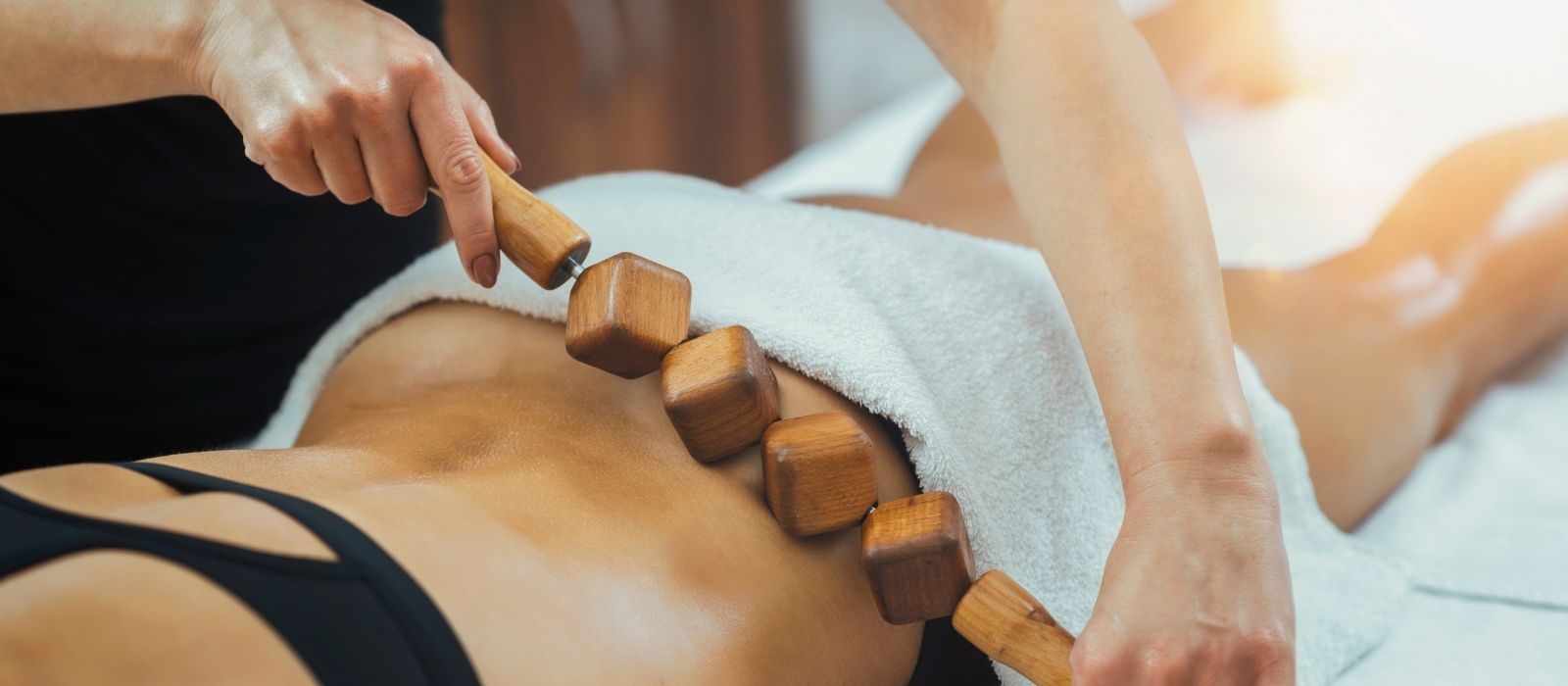
Lymphatic massage works for specific conditions. There's a study from the National Cancer Institute showing manual lymphatic drainage helps reduce swelling after breast cancer surgery. But for general wellness in healthy people, the benefits are mostly temporary and cosmetic.
Hydration matters more than most people realize. Your lymph fluid is mostly water, so chronic dehydration literally thickens it. Aim for clear or pale yellow urine as your hydration benchmark rather than counting glasses.
The Lymphatic System and Your Immune Response
This is where the lymphatic system women health connection gets interesting. Your lymph nodes house immune cells that learn to recognize threats. When they're functioning well, you recover faster from minor infections and may experience fewer recurring issues like UTIs or respiratory infections.
Stress hormones can suppress lymphatic function, which explains why you get sick more often during high-stress periods. The connection isn't mystical - cortisol directly impacts immune cell activity in your lymph nodes.
Sleep supports lymphatic drainage in your brain through something called the glymphatic system. During deep sleep, cerebrospinal fluid flushes metabolic waste from brain tissues. Poor sleep quality can leave you feeling foggy because this cleanup process gets disrupted.
What Doesn't Work
Lymphatic supplements are mostly marketing. Your lymph nodes don't need herbal support to function - they need adequate hydration, movement, and rest. Save money on proprietary blends and focus on the basics.
Detox teas and cleanses don't enhance lymphatic drainage. Your liver and kidneys handle detoxification. Your lymphatic system processes immune waste and cellular debris, but it doesn't need special assistance from expensive products.
Compression garments work for medical conditions like lymphedema, but healthy people don't need them for routine puffiness. Regular movement and staying hydrated address minor swelling more effectively.
FAQ
How do you know if your lymphatic system is blocked
True lymphatic blockage causes persistent, significant swelling that doesn't improve with elevation or movement. Minor morning puffiness that resolves during the day is normal. See a healthcare provider if you have unexplained swelling lasting more than a few days, especially if it's accompanied by pain or skin changes.
Does lymphatic drainage actually work for puffiness
Professional lymphatic massage can temporarily reduce puffiness by encouraging fluid movement, but results typically last 24-48 hours. For sustainable results, focus on regular movement, adequate hydration, and managing sodium intake. The temporary benefits aren't worth the cost for most people.
What foods help lymphatic drainage naturally
No specific foods enhance lymphatic function, but staying hydrated with water-rich foods like cucumbers, watermelon, and leafy greens supports overall fluid balance. Reducing processed foods high in sodium helps prevent excess fluid retention that can overwhelm your lymphatic system.
This article is for informational purposes only. It is not a substitute for professional medical advice, diagnosis, or treatment. Always consult a qualified healthcare provider before making changes to your health routine.