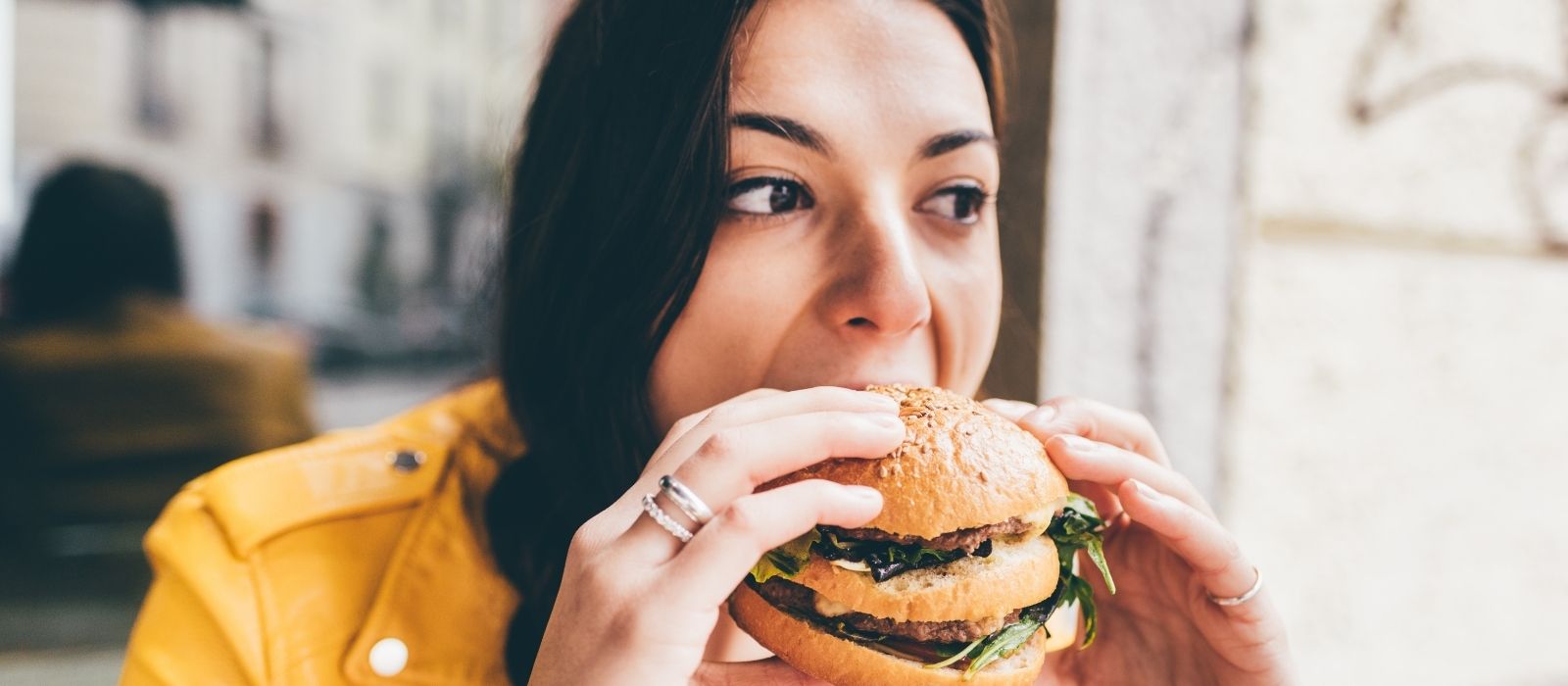
Emotional eating isn't a willpower problem, it's driven by stress hormones and restriction cycles. Here's what actually helps without creating more food rules.
You finish a bag of chips after your boss emails at 9 PM. You eat leftover cake straight from the fridge when your partner starts an argument. You raid the pantry after scrolling social media for too long.
The advice stays consistent: practice willpower, keep trigger foods out of the house, drink water instead. But none of that addresses why stress hormones hijack your brain and make you crave specific foods, or why restricting those foods makes the problem worse.
The real drivers of emotional eating happen in your body's stress response system and dopamine pathways. When cortisol spikes from work pressure, relationship stress, or even under-eating during the day, your brain prioritizes quick energy and comfort. That's not weak willpower, that's survival programming.
What Actually Triggers Emotional Eating
Cortisol doesn't just make you feel stressed. It actively changes what your brain wants to eat. Research from University of California San Francisco shows that chronic stress increases cravings for high-fat, high-sugar foods because these combinations trigger dopamine release that temporarily counters stress hormones.
Your brain remembers which foods provided quick relief before. Cookie dough hits differently than carrots because sugar and fat together create a neurochemical reward that vegetables can't match. This isn't personal failure, it's your nervous system trying to regulate itself with the tools it knows work.
Blood sugar crashes trigger the same response. When you skip breakfast, eat only salad for lunch, or restrict calories during the day, your body interprets this as a threat. By evening, cortisol and ghrelin team up to drive you toward the most calorie-dense options available.
Sleep deprivation amplifies everything. Getting less than seven hours nightly increases ghrelin production by 28% and decreases leptin by 18%, according to research from University of Wisconsin. Your hunger hormones stay dysregulated even when you're not actively stressed.
Why Food Rules Make It Worse
Banning specific foods creates psychological reactance, the same mental process that makes forbidden things more appealing. Studies from University of Toronto found that women who labeled foods as "forbidden" experienced stronger cravings and were more likely to binge on those exact items.
The restrict-binge cycle feeds itself. You avoid cookies for three days, then eat six in one sitting, which triggers shame and more restriction. Each cycle strengthens the neural pathways that connect negative emotions with specific foods.
This pattern hits harder for women because estrogen fluctuations already affect serotonin levels throughout the menstrual cycle. When you add food restriction on top of natural hormone changes, you're fighting biology with willpower, and biology wins.
How to Stop Emotional Eating Without More Rules
Stabilizing blood sugar prevents the cortisol-driven evening raids. Eating protein and fat within two hours of waking, then every 3-4 hours, keeps your stress response calm. This isn't about meal timing rules, it's about giving your body steady fuel so it doesn't panic and demand cookies at 10 PM.
Mechanical eating helps when emotions run high. Choose what to eat when you're calm, not when cortisol is spiking. Keep pre-portioned snacks that combine protein, fat, and carbs ready for stressful moments. Trail mix, apple with almond butter, or crackers with cheese work because they satisfy the brain's demand for quick energy without triggering restriction guilt later.
Address the stress directly instead of just the food response. Adaptogens like ashwagandha can help regulate cortisol, but movement works faster. Even two minutes of deep breathing or stepping outside interrupts the stress-food connection before it strengthens.
Permission paradoxically reduces overconsumption. When all foods are available without judgment, the psychological urgency disappears. Research from Brigham Young University shows that people eat less of previously forbidden foods once restriction ends, but this process takes weeks, not days.
Sleep becomes non-negotiable. Seven hours minimum keeps hunger hormones balanced and reduces stress eating by up to 40%. If you're not sleeping, addressing nutritional factors that affect rest matters more than any food rule.
Hydration affects everything. Dehydration triggers cortisol release and mimics hunger signals. Proper electrolyte balance helps your body distinguish between genuine hunger and stress-driven cravings.
The goal isn't perfect eating, it's breaking the cycle where negative emotions automatically trigger specific foods. When you stop fighting your body's stress responses and start supporting them with consistent fuel and genuine stress management, emotional eating naturally decreases without willpower or restriction.
FAQ
How long does it take to stop emotional eating?
Most people notice reduced emotional eating within 2-3 weeks of consistent blood sugar stability and stress management. Breaking the restrict-binge cycle takes longer, usually 6-8 weeks of unconditional food permission.
What foods help reduce stress eating?
Foods that combine protein, healthy fats, and complex carbs keep blood sugar stable and reduce cortisol spikes. Think nuts with fruit, whole grain toast with avocado, or Greek yogurt with berries.
Is emotional eating always unhealthy?
Occasional comfort eating is normal human behavior. It becomes problematic when it's your only coping strategy or when guilt about emotional eating creates restrict-binge cycles that worsen the original stress.
This article is for informational purposes only. It is not a substitute for professional medical advice, diagnosis, or treatment. Always consult a qualified healthcare provider before making changes to your health routine.