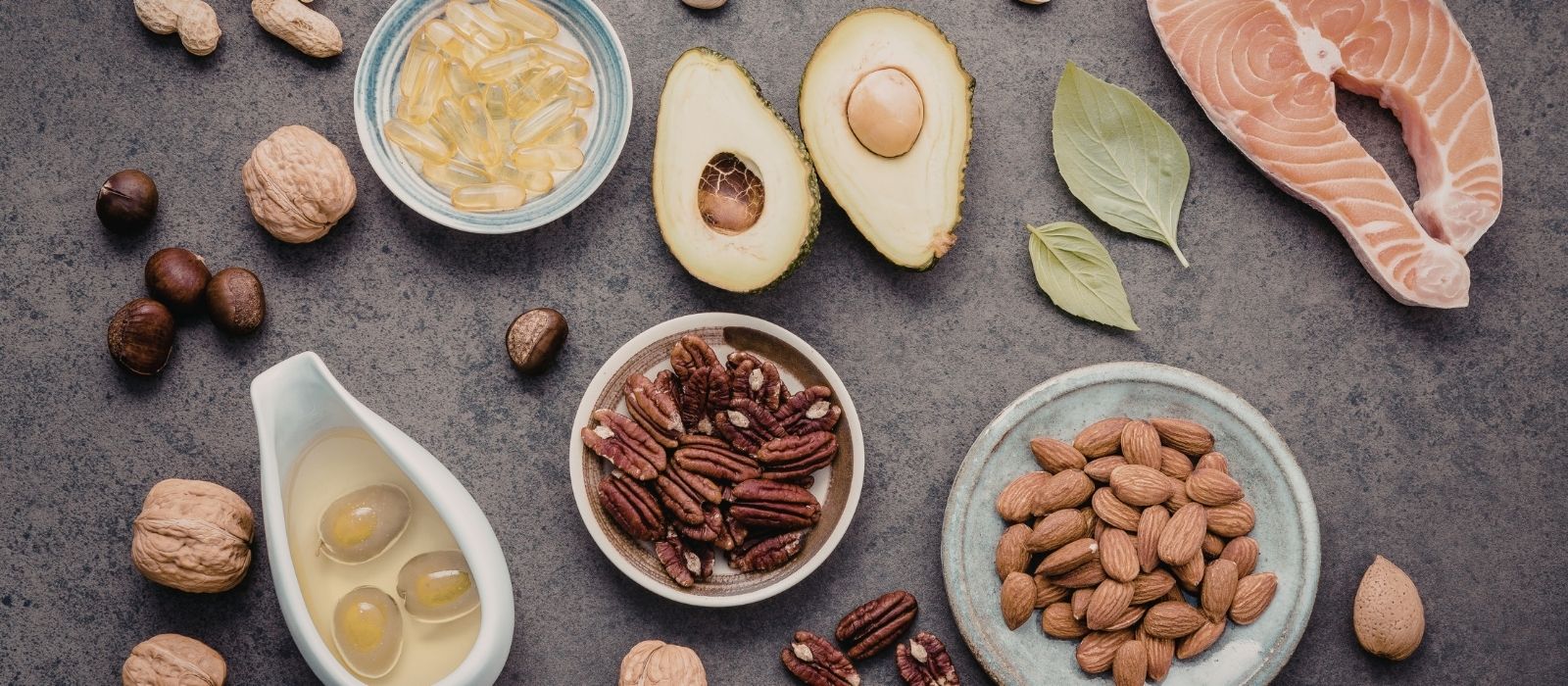
Anti-inflammatory is one of the most overused terms in nutrition. Here's what the evidence actually shows about which foods reduce chronic inflammation.
Everything's anti-inflammatory now. Your morning turmeric latte. Those $15 berries. The supplement aisle filled with bottles promising to calm your body's internal fire.
But chronic inflammation isn't something you feel burning. It's your immune system stuck in low-grade activation mode, like having background music you can't turn off. Your body thinks it's fighting something when it should be at rest. This leads to fatigue, joint stiffness, brain fog, and over years, conditions like heart disease and diabetes.
The problem with most anti-inflammatory foods women hear about is they're either wildly overhyped or missing the bigger picture. Ginger shots won't undo poor sleep and chronic stress. But certain foods do have solid research behind their ability to lower inflammatory markers in your blood.
What Chronic Inflammation Actually Looks Like
Chronic inflammation shows up in blood tests as elevated markers like C-reactive protein (CRP), interleukin-6, and tumor necrosis factor-alpha. Unlike acute inflammation from a cut or infection, chronic inflammation runs quietly in the background. You might notice persistent fatigue, stiff joints in the morning, or that blood sugar crashes that leave you irritable.
Women experience chronic inflammation differently than men, often tied to hormonal fluctuations. Estrogen has anti-inflammatory properties, which is why inflammation markers can spike during perimenopause when estrogen drops. Stress compounds this, cortisol triggers inflammatory pathways, creating a cycle where inflammation makes you more stressed and stress creates more inflammation.
Foods That Actually Reduce Inflammatory Markers
Omega-3 fatty acids have the strongest evidence. A study from Harvard School of Public Health found that women consuming 0.21 grams of marine omega-3s daily had 29% lower CRP levels than those eating the least. That's roughly what you'd get from three servings of fatty fish weekly. EPA and DHA directly compete with arachidonic acid, an omega-6 that promotes inflammation when out of balance.
Polyphenol-rich foods come second. Berries, dark leafy greens, and green tea contain compounds that inhibit inflammatory enzymes. A 2019 study in the Journal of Nutrition found that women eating 1.5 cups of blueberries daily for six weeks lowered inflammatory markers by 18%. The key isn't exotic superfoods, regular blueberries, spinach, and broccoli work fine.
The Fiber Connection Nobody Talks About
Fiber feeds beneficial gut bacteria that produce short-chain fatty acids, particularly butyrate. Butyrate directly reduces inflammation in your intestinal lining and sends anti-inflammatory signals throughout your body. Women eating 25-30 grams of fiber daily from varied sources, beans, oats, vegetables, fruits, show consistently lower inflammatory markers than those eating 15 grams or less.
This matters more for women because we're more prone to autoimmune conditions, many of which start in the gut. The fiber isn't just about digestion, it's about feeding the microbes that keep your immune system balanced.
What's Mostly Marketing
Turmeric gets the most hype, but curcumin, its active compound, has poor absorption unless paired with black pepper or taken as a specialized supplement. The amounts used in studies (500-1000mg) far exceed what you'd get from food. Your golden milk might taste good, but it's not delivering therapeutic doses.
Expensive superfoods often disappoint. Goji berries, acai, and spirulina have antioxidant properties but no specific advantage over cheaper options like frozen berries or spinach. The studies showing benefits typically use concentrated extracts, not the whole foods.
Anti-inflammatory meal plans that eliminate entire food groups miss the point. Unless you have diagnosed food sensitivities, removing all grains, dairy, or nightshades often creates nutritional gaps without reducing inflammation. The Mediterranean diet, rich in fish, vegetables, olive oil, and whole grains, consistently shows the strongest anti-inflammatory effects in large population studies.
Making Anti-Inflammatory Eating Practical
Start with two changes: add fatty fish twice weekly and increase vegetable intake to fill half your plate at dinner. These shifts provide omega-3s, fiber, and polyphenols without requiring specialty ingredients or meal overhauls.
Olive oil deserves mention, extra virgin contains oleocanthal, a compound with similar anti-inflammatory effects to ibuprofen. Two tablespoons daily, used for cooking or dressing, provides meaningful amounts. The key is consistency over perfection.
FAQ
What foods cause inflammation in women?
Processed foods high in refined oils, added sugars, and trans fats promote inflammation. Think packaged snacks, fried foods, and baked goods made with vegetable shortening. Excessive omega-6 oils like soybean and corn oil can tip the omega balance toward inflammation when consumed regularly.
How long does it take for anti-inflammatory foods to work?
Blood markers like CRP can improve within 2-6 weeks of dietary changes. You might notice reduced joint stiffness or better energy within the first month, but significant improvements in chronic conditions typically take 3-6 months of consistent eating patterns.
Can you eat anti-inflammatory foods while taking medication?
Yes, but check with your doctor if you take blood thinners. High amounts of omega-3s, garlic, and ginger can enhance anticoagulant effects. Anti-inflammatory foods generally support medication effectiveness rather than interfere, but timing and dosage matter for specific drugs.
This article is for informational purposes only. It is not a substitute for professional medical advice, diagnosis, or treatment. Always consult a qualified healthcare provider before making changes to your health routine.