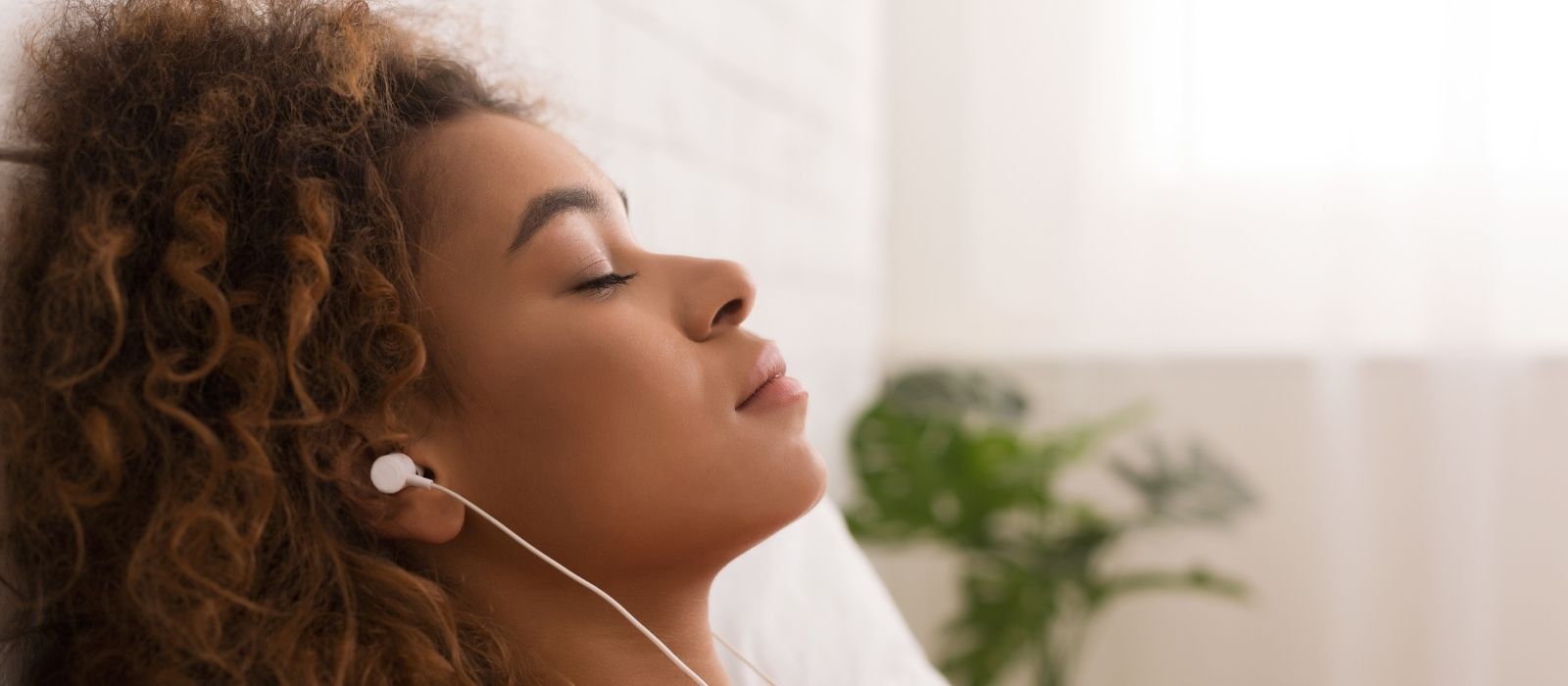
Rest and avoidance can look identical. Here's how to tell which one you're actually doing, and why it matters for how you recover.
You cancel your evening plans, order takeout, and spend three hours scrolling Instagram. It feels like rest. Your body's horizontal, your mind's disconnected from work stress, and you're not pushing yourself to be productive. But when bedtime rolls around, you feel somehow more depleted than when you started.
That's because what looks like rest isn't always rest. Sometimes it's avoidance wearing rest's clothes, and your nervous system knows the difference even when you don't. The problem isn't that you're lazy or weak-willed. It's that genuine rest and avoidance can be nearly impossible to distinguish from the outside, but they affect your energy and mental state in completely opposite ways.
Rest vs avoidance comes down to what happens after. True rest leaves you feeling restored, even if you're still tired. Avoidance leaves you feeling depleted, anxious, or guilty, often more so than before you started. The activity itself matters less than the internal experience and the aftermath.
What Genuine Rest Actually Looks Like
Real rest doesn't require you to be completely motionless or silent. It's any activity that allows your nervous system to downregulate without creating new stress. Reading a book counts as rest if you're genuinely interested in the story. Watching Netflix counts if you're actually enjoying what you're watching, not just numbing out to avoid thinking about something else.
Genuine rest has a few key markers. You can stop the activity when you want to without internal resistance. You don't feel guilty during or after. And most importantly, you emerge feeling more like yourself, maybe still tired, but not depleted or scattered.
The timing matters too. Rest works best when you choose it proactively, not reactively. Taking a bath because your body needs it hits differently than taking a bath because you can't face answering emails. Same activity, different nervous system response.
How Avoidance Masquerades as Rest
Avoidance disguises itself as rest by mimicking rest's external appearance. You're doing low-energy activities, you're not being productive, and you might even be lying down. But internally, part of your nervous system stays activated because you're using the activity to escape from something that feels threatening or overwhelming.
The key difference is compulsion. With avoidance, you can't easily stop the activity even when it stops being enjoyable. You keep scrolling past the point of entertainment.
You watch shows you don't actually like. You stay in bed not because your body needs sleep, but because getting up means dealing with whatever you're postponing.
Avoidance also creates a specific type of guilt that genuine rest doesn't. It's not just 'I should be more productive' guilt, it's the deeper discomfort of knowing you're running from something that probably needs addressing. Your body reacts to this internal conflict even when your conscious mind tries to rationalize the behavior.
The Physical Difference Between Rest and Avoidance
Your nervous system responds differently to rest and avoidance, even when the activities look identical. During genuine rest, your parasympathetic nervous system can actually engage. Heart rate slows, breathing deepens, and muscle tension releases. You might notice your shoulders dropping or your jaw unclenching.
During avoidance, your sympathetic nervous system often stays partially activated. You might feel restless, have trouble focusing even on low-stakes activities, or notice physical tension that doesn't release despite being 'relaxed.' Your body knows you're avoiding something, and it maintains a state of readiness for the threat you're not addressing.
This is why avoidance can leave you feeling wired and tired simultaneously. You're physically inactive but neurologically busy.
When Rest is Actually Procrastination
Sometimes what feels like legitimate rest is actually sophisticated procrastination. The difference comes down to timing and necessity. If you're putting off something with real consequences to take a bubble bath, that's probably avoidance. If you're taking a bubble bath because your body genuinely needs it, even with tasks pending, that's likely rest.
The question isn't whether you have things to do, you always will. It's whether the rest serves your actual needs or just delays difficult feelings. Healthy boundaries with your own energy sometimes mean resting when there's still work undone.
Pay attention to the internal narrative. Genuine rest often comes with thoughts like 'I need this' or 'This feels good.' Avoidance comes with thoughts like 'I can't deal with this right now' or 'Just five more minutes.'
How to Choose Rest Over Avoidance
Start by naming what you're avoiding. You don't have to solve it immediately, but acknowledging it removes some of the unconscious stress. 'I'm avoiding that difficult conversation with my boss' creates less internal tension than pretending you're just choosing to relax.
Set a loose boundary with your rest time. 'I'm going to read for an hour' or 'I'm watching one episode' helps prevent rest from becoming endless avoidance. The structure supports your nervous system by creating predictability.
Most importantly, practice tuning into your body's responses. Genuine rest usually comes with physical relief, deeper breathing, muscle relaxation, or a sense of settling. Avoidance often maintains physical tension or restlessness.
FAQ
How do I know if I'm resting or procrastinating?
Check how you feel afterward and whether you can stop the activity easily. Rest leaves you feeling restored and allows natural endings. Procrastination creates guilt and compulsive continuation past enjoyment.
Is it okay to avoid things sometimes?
Short-term avoidance can be protective when you're overwhelmed, but chronic avoidance usually increases anxiety over time. The key is being honest about what you're doing and having a plan to address what you're avoiding.
What if I can't tell the difference between healthy rest vs escapism?
Start by noticing physical sensations during and after the activity. Healthy rest typically involves some physical relaxation, while escapism often maintains underlying tension or restlessness even during 'relaxing' activities.
This article is for informational purposes only. It is not a substitute for professional medical advice, diagnosis, or treatment. Always consult a qualified healthcare provider before making changes to your health routine.